

Tired of failed 3D prints and wasted material? Complex plastics can be a real headache. PLA offers a simple, reliable starting point for almost any project you can imagine.
Yes, for many users, PLA is the best choice. It's easy to print, affordable, and comes from renewable resources1. Its low printing temperature2 and minimal warping3 make it ideal for beginners and for creating detailed prototypes and models where high strength isn't required.
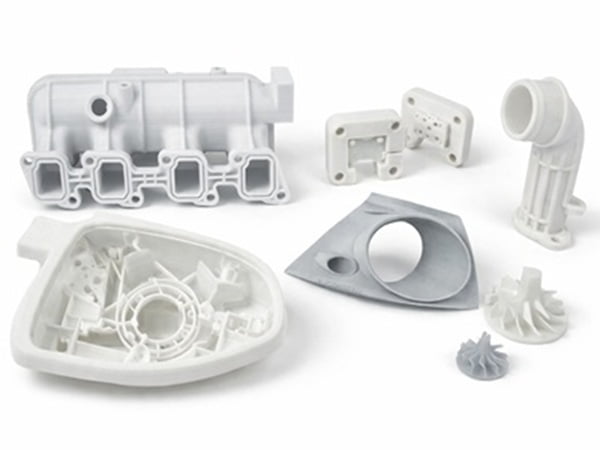
I've seen countless engineers and hobbyists start their 3D printing journey. The first material they almost always reach for is PLA. But why is that? And is it always the right choice? There's a lot more to this popular plastic than meets the eye. Let's break down what makes PLA so special and explore its properties, applications, and even its environmental impact. This guide will help you understand everything you need to know.
What Is PLA and Why It Became the Most Popular 3D Printing Plastic?
Overwhelmed by the endless choices for 3D printing filaments? Picking the wrong material can ruin your project. PLA stands out because it is incredibly user-friendly for everyone.
PLA, or Polylactic Acid, is a thermoplastic derived from renewable resources like corn starch. It's the most popular 3D printing plastic because it's easy to print, has low odor, and doesn't require a heated bed, making it perfect for beginners and professionals alike.
PLA, which stands for Polylactic Acid, is a type of plastic called a thermoplastic polyester. Unlike most plastics that come from petroleum, PLA comes from renewable resources. Think of things like corn starch or sugarcane. This makes it a more plant-based option.
The Science Behind PLA
When we make PLA, we ferment these plant sugars to produce lactic acid. Then, we process that lactic acid to create the long polymer chains that make up the plastic. This process is what gives PLA its unique properties, like a relatively low melting temperature compared to other plastics.
Why Ease-of-Use Wins
I always tell people that PLA's biggest strength isn't its physical strength. It's how easy it is to work with. It doesn't warp much as it cools, so you don't always need a heated print bed. It also doesn't release strong or harmful fumes like ABS plastic does. This means you can print more safely in a less ventilated area. These user-friendly traits are the real reason it became the go-to material for desktop 3D printing. It just works, and that saves a lot of time and frustration.
How PLA Plastic Is Produced: From Renewable Resources to Printable Material?
Curious about the origin of your 3D printing material? Most plastics come from non-renewable oil. PLA's story is different, starting with simple, renewable plants grown by farmers.
PLA production begins with fermenting carbohydrates from renewable sources like corn or sugarcane to create lactic acid. This lactic acid is then converted into lactide, which is purified and polymerized to form the raw Polylactic Acid resin, which is then made into filament or pellets.
The journey of PLA from a plant in a field to a spool of filament on your printer is a fascinating bit of industrial chemistry. It shows how we can make useful materials without relying solely on fossil fuels. The process is quite clever and involves several key steps.
From Plant to Polymer
Here's a simplified breakdown of how it works:
- Harvesting: It all starts with a carbohydrate-rich plant, usually corn in the United States. The corn is harvested and taken to a processing facility.
- Starch to Sugar: The corn kernels are milled to extract the starch. This starch is then mixed with enzymes that break it down into a simple sugar called dextrose.
- Fermentation: Microorganisms are introduced to the dextrose. They ferment the sugar, and the main byproduct of this fermentation is lactic acid. It's a similar process to making yogurt or beer.
- Conversion: The lactic acid is chemically converted into a cyclic dimer called lactide. This step is crucial for creating high-quality, high-molecular-weight PLA.
- Polymerization: The lactide is then opened up using a catalyst in a process called ring-opening polymerization. This links all the molecules together into long chains, forming the PLA polymer resin. Finally, this raw resin is processed into the pellets or filament we use.
Is PLA Truly Biodegradable? Environmental Impact Explained Clearly?
People call PLA eco-friendly, but what does that really mean? Misleading claims about plastics are common. It's time to understand the truth about PLA and the environment.
PLA is biodegradable, but only under specific industrial composting conditions with high heat and moisture. It will not break down in a landfill, backyard compost pile, or the ocean. It is better described as a bio-based, industrially compostable plastic, not simply "biodegradable."
The term "biodegradable" gets thrown around a lot with PLA, and it's a bit misleading. While it comes from plants, you can't just toss a failed 3D print into your garden and expect it to disappear. The reality of how PLA breaks down is much more specific and requires a very particular environment.
The Conditions for Composting
For PLA to truly biodegrade, it needs to be in an industrial composting facility. These facilities maintain high temperatures (over 140°F or 60°C) and specific humidity levels. In these conditions, microbes can effectively break the plastic down into water, carbon dioxide, and organic material in a few months. Unfortunately, most cities don't have these facilities readily available for consumers.
PLA in a Landfill
If you throw PLA in the regular trash, it ends up in a landfill. Landfills are designed to be low-oxygen environments to prevent decomposition. Here, a PLA print will last for hundreds of years, just like any other plastic. It won't break down. So, while its origin is greener than oil-based plastics, its end-of-life disposal is still a major challenge we need to solve.
PLA Printing Characteristics: Temperature, Flow Behavior, and Cooling?
Struggling to get your PLA prints just right? Bad settings result in ugly, weak parts. Understanding temperature, flow, and cooling is the key to achieving flawless results every time.
PLA typically prints at nozzle temperatures between 190-220°C. It has a low viscosity when melted, flowing easily, but requires active part cooling with a fan to solidify quickly. This rapid cooling prevents drooping and allows for sharp details and steep overhangs.
Every plastic has its own personality on a 3D printer, and PLA is generally a very agreeable one. However, to get the absolute best results, you need to understand how it behaves with heat and cooling. Getting these settings right is the difference between an amateur print and a professional one.
Key Printing Parameters
Let's look at the three most important factors for printing with PLA.
| Parameter | Recommended Setting | Why It Matters |
|---|---|---|
| Nozzle Temperature | 190°C - 220°C | Too low, and layers won't stick together well. Too high, and the material can ooze and string, leaving messy prints. |
| Bed Temperature | 20°C - 60°C | PLA doesn't warp much, so a heated bed is often optional. A little heat (50-60°C) helps the first layer stick perfectly. |
| Part Cooling Fan | 100% (after first layer) | This is crucial. PLA needs to harden quickly after leaving the nozzle. Strong cooling allows for sharp details, clean bridges, and steep overhangs. |
The flow behavior of PLA is very fluid when melted. This is great for filling in details, but you must have your retraction settings4 tuned correctly. Otherwise, the nozzle will leak plastic as it moves between different parts of your print, causing what we call "stringing."
PLA vs ABS vs PETG5: Key Differences for 3D Printer Users?
Confused by the choice between PLA, ABS, and PETG? The wrong material means your project will fail. This simple comparison will help you pick the right one every time.
PLA is the easiest to print but has low heat and impact resistance. ABS is strong and heat-resistant but warps and emits fumes. PETG offers a balance, combining ABS-like strength with PLA-like ease of printing, though it can be prone to stringing.
When you move beyond basic printing, you'll quickly encounter three main materials: PLA, ABS, and PETG. I've spent thousands of hours printing with all three, and each has a specific job it's best suited for. Choosing the right one is one of the most important decisions you'll make for any project.
Head-to-Head Comparison
Here’s a quick table to help you decide which material fits your needs.
| Feature | PLA | ABS | PETG |
|---|---|---|---|
| Ease of Printing | Very Easy | Difficult | Moderate |
| Strength | Rigid, Brittle | Durable, Impact-Resistant | Durable, Flexible |
| Heat Resistance | Low (softens ~60°C) | High (softens ~105°C) | Medium (softens ~80°C) |
| Fumes | Low, sweet smell | Strong, potentially harmful | Very low, no odor |
| Best For | Prototypes, models, toys | Car parts, enclosures | Mechanical parts, containers |
Think of it this way: use PLA when you need to make something quickly and easily, and it won't be exposed to heat or high stress. Choose ABS when you need a part that can survive in a hot engine bay or take a beating. PETG is your best bet for a strong, functional part that's easier to print than ABS and more durable than PLA.
Mechanical Strength and Heat Resistance of PLA Parts?
Do your beautiful PLA prints have the strength to last? A part that snaps unexpectedly can be a disaster. Let's look at PLA's real-world strength to avoid failures.
PLA is a rigid and stiff material with good tensile strength, making it strong under pulling forces. However, it is also brittle and has poor impact resistance. Its main weakness is a low heat deflection temperature, around 60°C (140°F), where it begins to soften.
When we talk about the "strength" of a plastic, it's not a single value. We have to consider how it handles different kinds of stress. PLA is a perfect example of this. It's very strong in some ways and surprisingly weak in others. Knowing the difference is key to designing parts that work.
Strong but Brittle
PLA has excellent tensile strength. This means it can resist a lot of pulling force before it breaks. It's also very rigid, so parts printed in PLA hold their shape extremely well and are dimensionally accurate. The downside is that PLA is brittle. It doesn't handle impacts well. If you drop a PLA part on a hard floor, it's more likely to crack or shatter than to bounce. It snaps when it reaches its limit, it doesn't bend first.
The Heat Problem
The single biggest weakness of standard PLA is its low heat resistance. PLA has a "glass transition temperature" of around 60°C (140°F). This is the point where the material starts to soften and lose its structural integrity. You don't even need to boil it; just leaving a PLA object in a hot car on a summer day is enough to make it warp into an unusable shape. This makes it unsuitable for any application that involves even moderate heat.
Common Printing Problems with PLA and How to Avoid Them?
Frustrated with common PLA printing problems? Clogs and stringing can waste hours of your time. Here are simple solutions to fix these issues and get perfect prints.
The most common PLA printing problems are stringing, clogged nozzles, and poor first-layer adhesion. These are often fixed by adjusting retraction settings, printing at the correct temperature, and ensuring the print bed is level and clean. Proper cooling is also essential.
Even though PLA is the easiest material to print with, it's not immune to problems. I've seen every issue imaginable over the years, but the good news is that most PLA problems are easy to diagnose and fix with a few small tweaks in your slicer software or on your machine.
Troubleshooting Your PLA Prints
Here are the three most common issues I see and how to solve them.
| Problem | Common Causes | How to Fix It |
|---|---|---|
| Stringing or "Hairs" | Retraction settings are too low; print temperature is too high. | Increase retraction distance (e.g., to 5-6mm for a Bowden setup) and retraction speed. Try lowering your nozzle temperature by 5°C. |
| Clogged Nozzle | Heat from the heater block travels too far up, softening filament too early ("heat creep"). | Check that your hotend cooling fan is running at 100% speed. Don't print at excessively high temperatures for long periods. |
| Print Won't Stick to Bed | The bed is not level; the nozzle is too far from the bed; the bed is dirty. | Re-level your print bed. Adjust your Z-offset so the first layer is slightly squished. Clean the bed surface with isopropyl alcohol. |
Fixing these issues is mostly about being methodical. Change one setting at a time and print a small test object to see if the problem improves. This way, you'll learn exactly what your specific printer and filament combination likes best.
Typical Applications Where PLA Works Best — and Where It Fails?
Unsure if PLA is the right choice for your next 3D print? A part made from the wrong material is a part that will fail. Let's define where PLA shines.
PLA excels in applications like visual prototypes, architectural models, figurines, and low-stress household items. It fails in parts requiring heat resistance (like in a car), high impact strength (like a drone frame), or long-term outdoor use, as it can be degraded by UV light.
PLA is an incredibly versatile material, but it's not a magic bullet for every single application. As an engineer, the most important skill is knowing which tool to use for which job. The same is true for 3D printing materials. Using PLA where it excels will give you fantastic results. Using it where it's weak will only lead to disappointment.
Where PLA Works Best
I recommend using PLA for these types of projects:
- Visual Prototypes: When you just need to see and feel a design, PLA is perfect. It's fast, cheap, and shows details well.
- Architectural and Display Models: Its rigidity and ability to hold sharp corners make it ideal for models that will be looked at but not heavily used.
- Toys and Figurines: PLA comes in a huge range of colors and finishes, and it's non-toxic, making it great for decorative items.
- Custom Organizers and Jigs: For simple workshop or desk organizers that won't be under heavy load or heat, PLA is a great, inexpensive choice.
Where PLA Fails
You should avoid using PLA for these applications:
- Parts for a Car's Interior: It will warp and melt on the first hot day.
- Mechanical Parts Under Stress: Anything that needs to take a hit, like a gear or a protective phone case, will likely crack because PLA is brittle.
- Anything Used Outdoors: Sunlight (UV radiation) and moisture will make PLA even more brittle over time, causing it to fail.
PLA Filament vs PLA Pellets: Cost, Performance, and Machine Compatibility?
Think filament is the only way to 3D print? You might be overpaying for your material by a huge margin. PLA pellets offer a cheaper, more direct printing method.
PLA filament is a pre-processed spool ready for any desktop printer. PLA pellets are the raw, unprocessed resin, costing 3-5 times less. Pellets require a special large-format printer with a pellet extruder but offer massive cost savings and faster print speeds for industrial applications.
For most hobbyists, 3D printing means buying spools of filament. But in the industrial world, where we operate, there's a much more direct and cost-effective way to print: using raw plastic pellets. This is a game-changer for businesses that do a lot of printing.
Understanding the Difference
Let's break down the key distinctions between these two forms of PLA.
| Aspect | PLA Filament | PLA Pellets |
|---|---|---|
| Form Factor | Plastic string wound on a spool | Small, raw plastic beads |
| Cost | High (e.g., ~$20 per kg) | Very Low (e.g., ~$4 per kg) |
| Machine Type | Standard desktop FDM printers | Industrial printers with pellet extruders |
| Print Speed | Limited by filament melting rate | Much faster for large prints |
At our company, CHENcan CNC, we specialize in industrial 3D printers that use pellets. Why? Because the cost savings are enormous. When you buy filament, you're paying for the plastic and the expensive process of turning pellets into a perfectly uniform string. By printing directly from pellets, our customers can reduce their material costs by up to 80%. This makes printing very large objects, like molds for boat hulls or automotive prototypes, financially viable. It's the secret to affordable, large-scale additive manufacturing.
How to Choose the Right PLA Material for Your 3D Printing Project?
Think all PLA is the same? The huge variety of blends like PLA+ and Silk PLA can be confusing. Let's quickly break down the options to simplify your choice.
For visual models, use standard PLA or Silk PLA for a shiny finish. For parts needing more toughness, choose PLA+ or "Tough PLA." For rigid, lightweight parts, use a carbon fiber-filled PLA (PLA-CF). Always match the material's properties to your project's specific requirements.
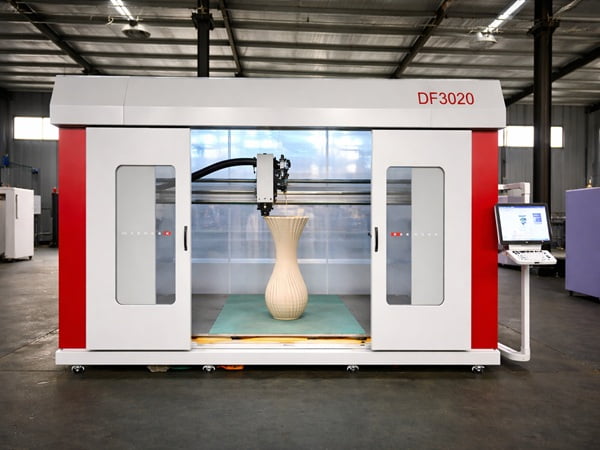
Once you've decided PLA is the right family of materials, you'll find there are many different blends, each with unique properties. It's not just about color anymore. These specialized formulas are designed to overcome some of standard PLA's weaknesses or to achieve special aesthetic finishes. Choosing the right one can elevate your project.
A Guide to Common PLA Blends
Here are some of the most popular types you'll encounter:
- Standard PLA: This is your everyday, all-purpose material. It's the benchmark for everything else.
- PLA+ (or Tough PLA): This is a modified version that is less brittle than standard PLA. It has better layer adhesion and impact resistance. I often recommend this as a default choice for parts that might be handled or dropped.
- Silk PLA: If you want your prints to look amazing right off the printer, this is the one. It has additives that give it a very high-gloss, silky-smooth finish. It's perfect for vases, trophies, and other decorative items.
- Carbon Fiber-Filled PLA (PLA-CF): For applications needing maximum stiffness without much weight, this is a fantastic choice. The added carbon fibers make parts incredibly rigid. Just be aware that it's abrasive and will wear out a standard brass nozzle quickly, so you'll need to upgrade to a hardened steel nozzle.
Conclusion
In conclusion, PLA is an excellent material for many 3D printing projects. Its ease of use makes it the best choice for beginners and for rapid prototyping needs.
Learning about PLA's renewable origins highlights its eco-friendly production process. ↩
Knowing the benefits of PLA's low printing temperature can improve your 3D printing experience. ↩
Exploring PLA's minimal warping properties ensures better print quality and fewer failed prints. ↩
Optimizing retraction settings can prevent stringing and improve print quality. ↩
Comparing these materials helps in selecting the best one for your specific 3D printing needs. ↩