
Mastering 3D Printed Sculptures: Innovation, Materials, and the Future of Modern Art?
Traditional sculpting takes months. Mistakes waste expensive materials. I will show you how 3D printing solves this. You can build art faster and cheaper today.
3D printing changes modern art by turning digital models into real sculptures quickly. Artists use plastics, resins, and pellets to lower costs and speed up work. You can create complex shapes that old methods simply cannot match.
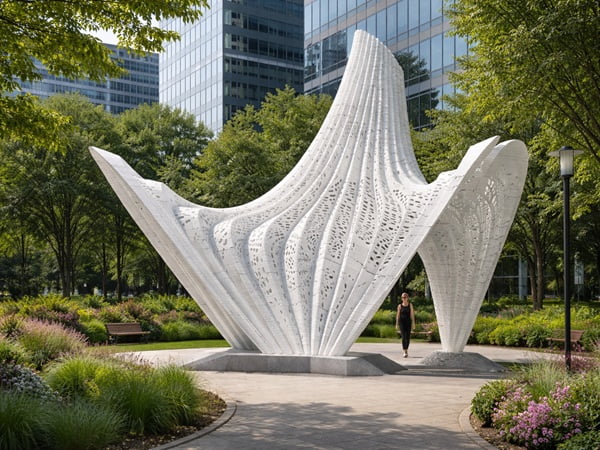
You might think 3D printing is only for small plastic toys. But let us look closer. You will see how big machines build giant outdoor art1 and change the industry forever.
The 3D Printing Revolution: How Technology is Redefining Sculpture?
Hand carving limits your ideas. Clay dries out and breaks. 3D printers fix this problem. You can print exactly what you imagine without fear of breaking it.
Technology redefines sculpture by giving artists digital freedom. You design a model on a computer. Then, the printer builds it layer by layer. This process saves time and lets you create impossible shapes easily.
Breaking Old Rules
Before I started working with CHENcan CNC, I saw many artists struggle. They spent weeks on one stone piece. One mistake meant they had to start over. This is very bad for business. Now, 3D printing changes everything. You can test a small model first. If you like it, you print the big one. This helps bosses save money. It helps engineers test safety. You do not need to worry about broken stone anymore. The machine does the hard work for you.
The New Workflow
We see a clear shift in how artists work today. They use software instead of chisels. They use machines instead of hammers. This shift is huge for modern art. We can look at the differences between old methods and new methods.
| Feature | Old Sculpting Methods | 3D Printing Methods |
|---|---|---|
| Speed | Very slow, takes months | Fast, takes days or hours |
| Cost | High labor and material cost | Low cost, less waste |
| Changes | Hard to change later | Easy to change digital file |
| Details | Depends on hand skill | Machine precision every time |
This shows why many artists switch to 3D printing. It is simply a smarter way to work.
From Concept to Creation: How 3D Printers Bring Sculptures to Life?
Moving an idea from your brain to reality is hard. Sketches flat out fail. 3D printing bridges this gap. You can hold your idea in your hands quickly.
3D printers bring sculptures to life by reading digital CAD files. The machine melts material and places it down line by line. This builds the final shape from the bottom up. It turns a screen picture into a real object.
The Digital to Physical Bridge
The process of making art is long. First, you need an idea. Then, you need a way to show it. In the past, I watched designers try to explain their ideas to buyers. The buyers did not understand flat drawings. Now, you just print a prototype. The buyer can touch it. This helps marketing teams sell ideas much faster. It makes communication very easy.
Steps to Make It Real
Making a 3D printed sculpture is a step-by-step job. You cannot just press one button. You need good software and a good machine. Our engineers at CHENcan know this well. They spend hours checking G-code files. We want everything to be perfect.
| Step Number | Action Needed | Tool Used |
|---|---|---|
| Step 1 | Draw the 3D model | CAD Software |
| Step 2 | Slice the model into layers | Slicing Software |
| Step 3 | Prepare the machine | 3D Printer |
| Step 4 | Print the object | Extruder and Bed |
| Step 5 | Clean and finish | Sandpaper and Paint |
If you follow these steps, you will get a perfect piece of art. It is a very clear and safe process. You will not waste any time.
Choosing the Right Materials: PETG, ABS, and Beyond2?
Picking the wrong plastic ruins your art. Sun can melt it. Rain can break it. Choosing the right material stops these failures. Your art will last for years.
You must choose the right material for your sculpture. PETG is strong and handles weather well. ABS is tough and easy to sand. For outdoor art, you need UV-resistant materials. The right choice keeps your sculpture safe and looking good.
Material Matters
I always tell my clients to think about where the art will go. Will it sit in a dark room? Will it stand in a sunny park? These questions matter. If you use cheap PLA outside, the sun will melt it in one week. That is a disaster. You will lose money and angry clients will call you. We must be smart about materials. Bosses care about the final product life.
Comparing Common Plastics
There are many plastics you can buy today. Some are cheap. Some are strong. Let us compare the most common ones.
| Material Type | Best Feature | Weakness | Best Use Case |
|---|---|---|---|
| PLA | Easy to print | Melts in heat | Indoor models |
| ABS | Very strong, sands well | Smells bad during print | Painted art |
| PETG | Good for outdoors, tough | Needs hot printer | Outdoor sculptures |
| ASA | UV resistant | Hard to print | Long-term outdoor art |
Engineers must pick the right plastic from this list. It makes the whole job much easier and stops future problems.
Pellets vs. Filaments3: Cost, Efficiency, and Quality in 3D Printing?
Filament is too expensive for big art. It prints too slowly. Pellet 3D printing fixes this. You can print huge sculptures fast and save a lot of money.
Pellets are small plastic beads. Filaments are long plastic strings. Pellets cost much less than filaments. Industrial machines melt pellets directly. This makes printing big art much faster and cheaper. It is the best choice for large outdoor sculptures.
The CHENcan Advantage
This is where my experience really helps. For large outdoor sculptures, CHENcan pellet 3D printers have a huge advantage. Filament spools are small. You have to change them all the time. Filaments also cost a lot of money per kilogram. Pellets are very cheap. You buy them in big bags. Our pellet printers melt these beads fast. This enables rapid prototyping, high efficiency, and low cost.
Cost and Speed Breakdown
If you run a factory, you care about time and money. Purchasing managers love pellets because they cut material costs by up to 80%. Let us look at the facts.
| Metric | Filament Printing | Pellet Printing (CHENcan) |
|---|---|---|
| Material Cost | Very High | Very Low |
| Print Speed | Slow (grams per hour) | Fast (kilograms per hour) |
| Size Limit | Usually small to medium | Massive, large scale |
| Best For | Small details, desktop | Big sculptures, molds |
For large art pieces, pellets win every time. You get the job done faster and keep more money in your pocket.
Printing Large-Scale Sculptures: Overcoming Size and Complexity Challenges?
Big sculptures crack and fall apart. Desktop printers cannot handle the size. Industrial machines solve this. You can print huge art in one piece safely.
You overcome size challenges by using large-format industrial 3D printers. These machines have huge build areas. They use strong frames to stop shaking. You can print big art in one piece or in large blocks. This makes the final sculpture strong and safe.
Building Big Art
Printing large-scale sculptures is not easy. When I started, I saw big prints fail after 40 hours. The plastic warped. The layers split. It was terrible. But we learned how to fix it. We use heavy-duty steel frames. Our CHENcan machines do not shake. This means the print stays perfect from the bottom to the top. Big art needs a big, strong machine. You cannot cut corners here.
Solving Common Problems
When you print big, you face new problems. You must control the heat. You must control the speed. Engineers must plan everything before they press start.
| Challenge | Cause | Solution |
|---|---|---|
| Warping | Room is too cold | Enclose the printer, heat the bed |
| Layer Splitting | Poor layer bonding | Print hotter, use enclosures |
| Print Stops | Out of material | Use big pellet hoppers |
| Machine Shaking | Weak machine frame | Use heavy industrial CNC frames |
By fixing these issues, we make sure large outdoor art pieces finish perfectly. It saves days of wasted work and keeps clients happy.
Speed and Precision: Optimizing Your 3D Printing Workflow?
Waiting weeks for a print is bad. Rushing causes ugly mistakes. You can balance speed and detail. Optimizing your settings gives you fast, beautiful art.
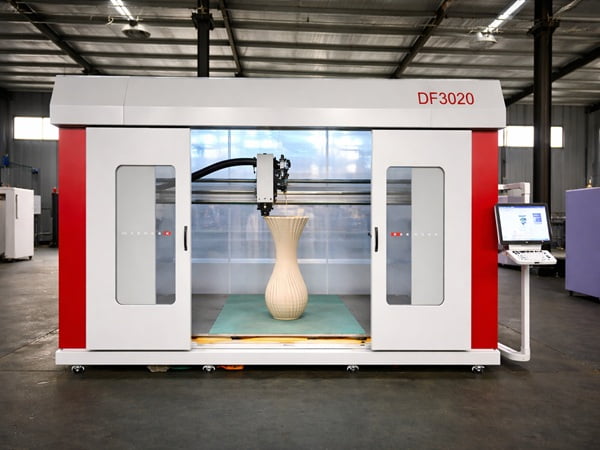
You optimize your workflow by tuning your slicing software. You use thicker layers for the inside. You use thinner layers for the outside skin. This gives you high speed and good precision. A good workflow saves time and produces better looking sculptures.
Finding the Balance
Everyone wants things fast. Bosses want the art shipped today. But if you print too fast, the art looks bad. The surface gets rough. I always tell operators to find the middle ground. You do not need perfect details on the inside of the sculpture. Nobody sees the inside. You only need precision on the outside. This simple trick saves many hours. It makes your factory very efficient.
Workflow Steps for Success
A good workflow makes your factory run smoothly. You need standard rules for your team. This stops mistakes before they happen.
| Workflow Step | What to Do | Why It Helps |
|---|---|---|
| File Check | Check the 3D model for holes | Stops print failures |
| Slicing | Use variable layer height | Saves time, keeps detail |
| Machine Check | Clean the nozzle, level the bed | Ensures the first layer sticks |
| Monitoring | Check the print every hour | Catches errors early |
When your team follows this workflow, you get fast and precise sculptures every single time. It brings peace of mind to everyone.
Sustainability in Sculpture: Eco-Friendly Materials and Recycling Opportunities?
Plastic waste hurts our planet. Throwing away old prints costs money. Recycling changes this. You can use green materials and turn old art into new art.
Sustainability in 3D printing uses eco-friendly plastics and recycled materials. You can grind up old or failed prints into pellets. Then, you put those pellets back into the machine. This creates zero waste. It helps the earth and lowers your material costs.
The Green Factory
In the past, factories threw away tons of plastic. Failed prints went to the trash. This made me sad. It was bad for the earth and bad for the budget. Now, we have a better way. With pellet 3D printers, recycling is very easy. You just chop up the bad prints. You get cheap pellets again. Purchasing managers love this because they buy less new material. It saves money every single month.
Eco-Friendly Options
We can choose better materials today. There are plastics made from plants. There are plastics made from old bottles.
| Material Type | Source | Environmental Impact |
|---|---|---|
| Standard PLA | Corn starch | Good, but needs industrial compost |
| Recycled PETG | Old water bottles | Very good, reuses waste |
| Ground Pellets | Failed factory prints | Excellent, zero factory waste |
| Wood Fill | Plastic mixed with wood dust | Good, uses less pure plastic |
Using these green options helps you sell art to eco-conscious clients. It is good for nature and good for business.
Exploring Artistic Innovation: Abstract, Realistic, and Multi-Material Designs?
Boring art does not sell. Sticking to one material limits creativity. Multi-material printing fixes this. You can mix colors and textures to make amazing art.
Artistic innovation grows when you mix abstract shapes with realistic details. 3D printers let you use multiple materials in one piece. You can print hard plastic and soft rubber together. This gives modern art new textures and forms that hand carving cannot do.
Pushing the Limits
I love seeing what artists create with our machines. They do not just copy old statues. They make crazy, abstract shapes. They mix clear plastics with solid colors. In the past, joining two different materials was hard. You needed glue and screws. Now, the printer does it for you. It melts them together perfectly. This opens new doors for industrial design and prototyping. It lets artists dream bigger.
Design Styles
Different clients want different things. A park might want a realistic animal. A modern office might want an abstract shape.
| Art Style | Description | Printing Need |
|---|---|---|
| Realistic | Looks like real life | High detail, small layers |
| Abstract | Strange, flowing shapes | Good overhang support |
| Multi-Material | Mixes colors or hardness | Dual extruder machines |
| Functional | Art you can sit on | High strength, thick walls |
By understanding these styles, we can set up the machines to match the artist's exact vision. It guarantees a perfect final product.
Collaborations and Communities: How Artists and Engineers Drive Innovation?
Working alone slows you down. Artists do not always know machines. Engineers do not always know art. Teamwork solves this. Working together creates the best sculptures.
Artists and engineers drive innovation by sharing their skills. Artists dream up wild designs. Engineers figure out how to print them safely. When these two groups talk, they invent new ways to use 3D printers. This teamwork pushes the whole industry forward.
The Power of Teamwork
I have seen many projects fail because people did not talk. An artist draws a sculpture that cannot stand up. An engineer makes a strong sculpture that looks ugly. We must stop this. At CHENcan, our tech team talks to the designers early. We look at the digital file together. We find the weak spots before we print. This saves everyone time. It stops arguments and creates better art.
Who Does What
To make great art, everyone has a job. It is like a sports team. Everyone must play their part well.
| Team Member | Main Job | Goal |
|---|---|---|
| Artist | Creates the visual design | Make it look beautiful |
| CAD Designer | Turns sketch into 3D file | Make it printable |
| Engineer | Chooses material and settings | Make it strong and fast |
| Operator | Runs the 3D printer | Make it real with no errors |
When this community works together, the results are amazing. The sculptures are big, beautiful, and safe.
Future Trends in 3D Printed Sculpture: Multi-Material, Bio-Printing, and AI Design?
Sticking to old tech leaves you behind. Competitors are using new tools. AI and new materials are the future. You must adapt to stay ahead.
The future of 3D printed sculpture includes AI design and bio-printing. AI helps artists create complex shapes in seconds. New printers will mix metals, plastics, and living materials easily. These future trends will make creating large outdoor art faster,
Understand the capabilities of large 3D printers in constructing massive outdoor art pieces. ↩
Explore the characteristics and applications of PETG and ABS in creating durable and versatile sculptures. ↩
Learn about the cost, efficiency, and quality differences between using pellets and filaments in 3D printing. ↩