
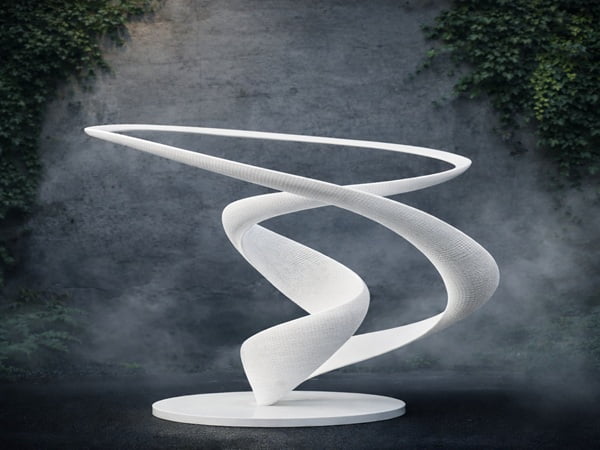
Are 3D Sculptures Redefining Art, Scale, and Production?
Making large sculptures used to cost too much time and money. Slow manual work hurts profits. Today, 3D printing fixes this by bringing fast, large-scale production to your shop.
3D printing changes sculptures from slow manual art into a fast, digital manufacturing process. It uses machines like industrial pellet 3D printers1 to make large, strong, and exact copies quickly, saving you high labor and mold costs.
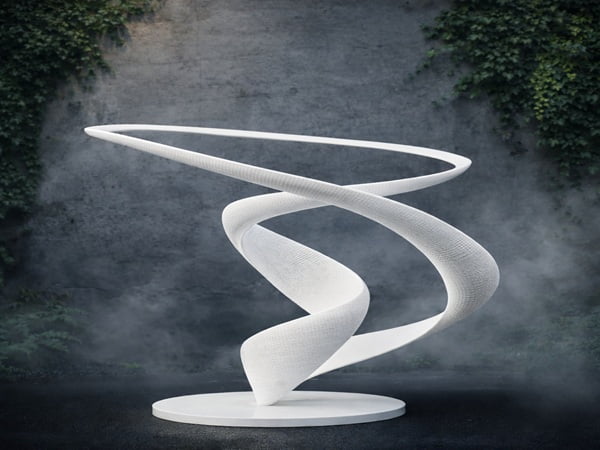
You might wonder if a printer can really handle massive projects without failing. Let me show you exactly how this technology works and why it is the best choice for large designs. If you want to cut costs and make bigger items faster, keep reading.
What Are 3D Sculptures? From Traditional Art to Digital Creation?
Relying on hand carving limits your output. You cannot scale up fast. 3D sculptures use digital files to print shapes, letting you make endless copies of any size easily.
3D sculptures are objects made by adding material layer by layer from a digital file. This moves the work from hand carving and CNC cutting to modern 3D printing. It allows you to scale designs up or down and produce parts in batches without new molds.
The Shift to Digital Manufacturing
Let me explain how the process has changed. In the past, workers carved stone or wood by hand. This made a single piece of art. Then, we used CNC machines to cut away material. Now, we use additive manufacturing. 3D sculptures are really just a digital manufacturing process. They are not just about art anymore. You can take one digital file and make it 10 inches tall or 10 feet tall.
When a client asks me for 50 big statues, hand carving is impossible. With 3D printing, we just press start. The files are easy to change. You can scale the design freely.
| Method | Production Type | Scalability | Labor Cost |
|---|---|---|---|
| Hand Carving | Single piece | Very hard | High |
| CNC Milling | Subtractive | Medium | Medium |
| 3D Printing | Additive | Very easy | Low |
This shift means you can mass-produce art. It turns a slow studio process into a fast factory line.
Can 3D Printing Really Produce Sculptures? Technologies and Capabilities?
Are you worried that printed parts are too weak or small? Standard printers often fail here. Industrial 3D printing easily builds strong structures over one meter tall for outdoor use.
Yes, 3D printing produces large, durable sculptures. Different methods fit different needs. Resin makes small details, filament makes medium parts, and powder suits precision tools. But for massive outdoor shapes, pellet 3D printing2 is the best choice for high strength and low cost.
Comparing Printing Methods
People often ask me if a printed statue can survive outside. The answer is yes. We can make structures over one meter tall. We can also make the inside hollow to save weight, but keep the outside very strong. Not all printers do the same job. You must pick the right tool for the size you need.
| Technology | Best Size | Key Benefit | Main Use |
|---|---|---|---|
| Resin | Small | Fine details | Miniatures |
| Filament | Medium | Easy to use | Prototypes |
| Powder | Small to Medium | High precision | Industrial parts |
| Pellet | Massive (1m+) | Fast, low cost | Big sculptures |
As you can see, pellet printing brings real value. It handles huge sizes while keeping material costs down. When my clients need a two-meter statue for a park, I always suggest pellet printing. It gives them the size they need without breaking the budget.
Why Artists and Designers Are Turning to 3D Printed Sculptures?
Waiting months for a mold wastes time. Delays make clients angry. 3D printing cuts production time to days, helping you finish projects faster and save on expensive manual labor.
Designers choose 3D printing for pure efficiency. It shrinks production time, makes quick model updates easy, and lowers labor costs. You do not need to worry about complex curves because the printer builds them effortlessly. It is about working faster, not just waiting for inspiration.
Efficiency Over Inspiration
Why do so many studios buy our machines? It is simple. They want to work faster. In real business, time is money. If a client wants to change a curve on a statue, changing a physical mold is a nightmare. With 3D printing, you just update the file. The main reason is not art theory. It is the bottom line.
| Benefit | Traditional Way | 3D Printing Way |
|---|---|---|
| Speed | Weeks or months | Days |
| Edits | Need new molds | Quick file update |
| Labor | Many skilled workers | One machine operator |
| Shapes | Hard to make curves | Easy to print curves |
I had a customer who used to spend weeks making a single large display. Now, they print it in two days. This speed lets them take on more jobs. Complex shapes are no longer a problem. The machine prints a hard curve just as fast as a flat line. This helps businesses grow fast.
Pellet-Based 3D Printing: The Key to Large-Scale Sculptural Works?
Regular filament costs too much for big jobs. Small spools run out fast. Pellet-based printing uses cheap plastic bits to print massive items quickly and keep your material costs low.
Pellet 3D printing is the key to large sculptures. It is perfect for structures over one meter tall. The raw material costs much less than filament, and the printing speed is much faster. This makes large commercial and public art projects highly profitable and easy to manage.
The Power of Pellets
If you want to make a big statue, you cannot use small plastic wire. It takes forever and costs a fortune. This is where our pellet 3D printers shine. They eat cheap plastic pellets. When you deal with commercial art, you must control costs. Pellets are the same raw material used in factories. They are much cheaper than processed filament.
| Feature | Filament Printer | Pellet Printer |
|---|---|---|
| Material Cost | High | Very Low |
| Print Speed | Slow | Very Fast |
| Best Size | Under 0.5 meters | Over 1 meter |
| Reloading | Stop to change spool | Continuous feeding |
I always tell my buyers: if you make things bigger than one meter, you need a pellet machine. It pushes out more plastic per hour. This means you finish big jobs in days, not weeks. For a public park statue or a huge mall display, pellet printing makes the project make sense financially.
Cost, Speed, and Size: Core Advantages of 3D Printing Sculptures?
Making big parts in small pieces causes ugly seams. Assembly takes too long. 3D printing solves this by making large, single pieces quickly, cutting your labor and mold costs.
The core advantages of 3D printing are low cost, high speed, and massive size. It removes the need for expensive molds. You print the whole piece at once, which cuts down on assembly work and hides ugly joints. This leads to much shorter delivery times for your clients.
Cutting Out the Extra Steps
Let us talk about real factory benefits. When you use old methods, big projects mean big headaches. You have to make molds. You have to cast many small parts. Then, workers must glue or weld them together. This adds huge labor costs. With our large industrial machines, you skip all those steps.
| Factor | Traditional Assembly | 3D Printed Single Piece |
|---|---|---|
| Tooling | Needs expensive molds | No molds needed |
| Assembly | High labor needed | Almost zero labor |
| Seams | Visible joints | Smooth, one piece |
| Delivery | Slow | Fast |
I remember visiting a client making a huge boat shape. They used to spend a week just hiding the lines where pieces joined. Now, they print it in one go. Less assembly means fewer mistakes. It also means you deliver the final product to your buyer much faster. Speed and size win the market.
Materials for 3D Sculptures: PETG, ABS, and Industrial Polymers?
Using weak plastics ruins outdoor displays. Sun and rain destroy bad materials. You must use tough industrial polymers like PETG and ABS to ensure your large sculptures last for years.
3D printing offers great material flexibility. You can choose PETG for excellent weather resistance3 outdoors. You can use ABS for strong, impact-resistant indoor shapes4. These industrial polymers come in cheap pellet form, letting you match the exact strength and finish needed for any specific project.
Picking the Right Polymer
The material you choose makes or breaks your project. In the past, artists were stuck with heavy stone or fragile clay. Today, we use advanced plastics. This gives you amazing flexibility. You must match the plastic to the job. If a statue sits in the sun, it needs UV protection.
| Material | Key Strength | Best Application |
|---|---|---|
| PETG | Tough, weather resistant | Outdoor public art |
| ABS | Strong, easy to sand | Painted indoor models |
| PLA | Easy to print, cheap | Short-term displays |
| Composites | Very stiff | Industrial molds |
At our factory, we test tons of pellets. PETG is a favorite because it survives rain and heat well. ABS is great if your workers need to sand and paint the surface to look like metal. Because our machines use pellets, you can mix different plastics easily. This means you always have the perfect material for the task.
How Large and Complex 3D Sculptures Are Printed Without Assembly?
Joining printed pieces creates weak spots. Heavy tops can make statues fall over. Large 3D printers build huge items in one go with smart inner supports to ensure stability.
Large 3D printers have massive build volumes to print big sculptures as one solid piece. This avoids weak assembly joints. We design the inside with special fill patterns. This makes the sculpture lightweight inside but very strong outside, giving the whole structure perfect balance and high stability.
Smart Internal Structures
I always tell engineers that a big print is better than many small prints glued together. When you piece things together, the joints are weak. They can crack over time. Our big machines print the whole item at once. But we do not print it solid. That would waste material and make it too heavy.
| Design Feature | Why It Matters | Result |
|---|---|---|
| Large Volume | Fits the whole design | No seams or joints |
| Infill Patterns | Supports the outer shell | Uses less material |
| Thick Walls | Stops outside damage | Very strong surface |
| Bottom Weight | Keeps balance | Will not tip over |
We use software to make a strong honeycomb shape inside. This saves money on pellets. It also makes the final item light enough to move, but strong enough to survive outside. A seamless print looks better and lasts much longer. It is the smartest way to build large, complex shapes.
Choosing the Best 3D Printer for Sculpture Projects?
Buying the wrong printer wastes your budget. Small machines cannot handle big orders. You need to pick the right equipment size to match your real production goals and client needs.
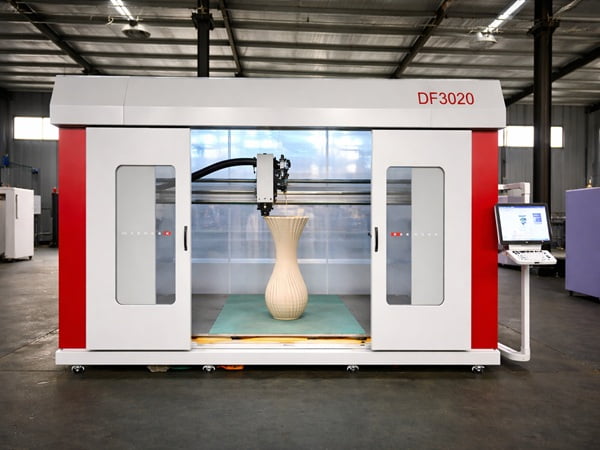
Choosing the best printer depends on your business. Small art studios do fine with desktop machines. Commercial sculpture companies need industrial systems. But if you make large public installations, you need a large-format pellet printer. CHENcan CNC5 offers exactly these heavy-duty machines for massive, fast production.
Matching Machines to Business
If you are a boss looking to invest, do not buy a toy. You must match the machine to your factory output. A small printer in a big shop is useless. Here is how I guide our buyers.
| Business Type | Typical Project Size | Best Printer Choice |
|---|---|---|
| Small Studio | Under 30 cm | Desktop Filament |
| Model Shop | Up to 1 meter | Industrial FDM |
| Public Art Maker | Over 1 meter | Large Pellet System |
| Mold Factory | Massive parts | Large Pellet System |
If your goal is large-scale production, desktop machines will fail you. They are too slow. This is why we build CHENcan pellet 3D printers. We designed them for heavy industry and giant art pieces. Our machines run day and night. They give you the power to accept the biggest jobs in the market and finish them on time.
Sustainable 3D Sculptures: Recycling, Eco Materials, and Green Practices?
Throwing away old molds costs money and hurts the earth. Clients want greener options now. 3D printing uses recycled materials and prints on demand to stop factory waste completely.
3D printing makes sculpture production very sustainable. You only print what you need, so there is no overproduction. You do not waste material on single-use molds. Best of all, pellet printers can use recycled plastic bits, turning old waste into new, profitable large-scale art pieces.
Green Manufacturing Benefits
Many big buyers now ask me about green manufacturing. They want to know if our machines create a lot of trash. I am happy to say that pellet printing is one of the cleanest ways to build. Because it is additive, you only use the plastic you actually need.
| Practice | Traditional Method | 3D Printing Method |
|---|---|---|
| Molds | Throw away after use | No molds needed |
| Scrap | Lots of cut-off waste | Almost zero waste |
| Material | Hard to reuse | Can use recycled pellets |
| Storage | Keep unsold stock | Print only on demand |
If a print fails or gets old, you can grind it up. You turn it back into pellets. Then, you put those pellets right back into our machine. This cuts your material costs down to almost nothing. It also gives your marketing team a great story. Green practices save money and win new clients.
The Future of 3D Sculptures: Multi-Material Printing, AI Design, and Beyond?
Falling behind new tech means losing big jobs. The market changes fast. The future of large sculptures relies on mixing materials, AI software, and printing right on the job site.
The future of 3D sculptures is deeply industrial. We will see machines mix different materials in one print. AI will help design complex shapes in seconds. Soon, companies will bring massive printers directly to the site to build giant structures, changing the way we think about production.
Industrial Trends Ahead
I have been in the CNC and machine industry for over 27 years. I can see where this is going. The future is not just about making a pretty shape. It is about smart, heavy-duty production. We are looking at tools that do more work with less human help.
| Future Trend | What It Does | Business Benefit |
|---|---|---|
| Multi-Material | Hard outside, soft inside | Better product performance |
| AI Design | Auto-creates strong shapes | Saves engineering time |
| On-Site Printing | Print at the final place | No shipping costs |
| Faster Extruders | Pushes more plastic | Crazy fast delivery |
In a few years, AI will tell the printer exactly how to save weight while keeping strength. You will print a statue with a hard shell and a flexible core at the same time. At CHENcan, we are already building faster, smarter pellet machines. The companies that adopt these industrial tools now will rule the market tomorrow.
Conclusion
3D printing turns slow sculpture making into fast, large-scale production. Pellet machines lower costs and remove assembly limits. Upgrade your factory today to build bigger, better, and faster.
Learn about the capabilities of industrial pellet 3D printers in producing large, durable sculptures efficiently. ↩
Explore the benefits of pellet 3D printing for creating large sculptures with high strength and low cost. ↩
Discover the weather-resistant properties of PETG, making it ideal for outdoor 3D printed sculptures. ↩
Learn about the strength and ease of finishing ABS, perfect for durable indoor 3D printed sculptures. ↩
Explore the heavy-duty 3D printing solutions provided by CHENcan CNC for massive sculpture projects. ↩