
3D Printer Plastic Materials: A Complete Guide to Types, Properties, and Applications?
Do you pick the wrong plastic for your 3D parts? Bad choices cause failed prints and wasted money. I will show you how to find the exact material you need.
3D printer plastic materials1 are polymers shaped by heat or light. They range from cheap prototyping plastics to strong industrial grades. Your choice depends heavily on your printing technology, part size, and mechanical needs. A good choice balances structural strength, manufacturing method, and cost models.
Choosing the right plastic is hard. Many people get stuck on basic choices and miss the big picture. I want to help you see past the basics. Let us look at the real factors that make a project succeed.
What Are Plastic Materials Used in 3D Printing?
Do you feel confused by endless material names? You risk buying the wrong stock. I will clear up what these plastics really are.
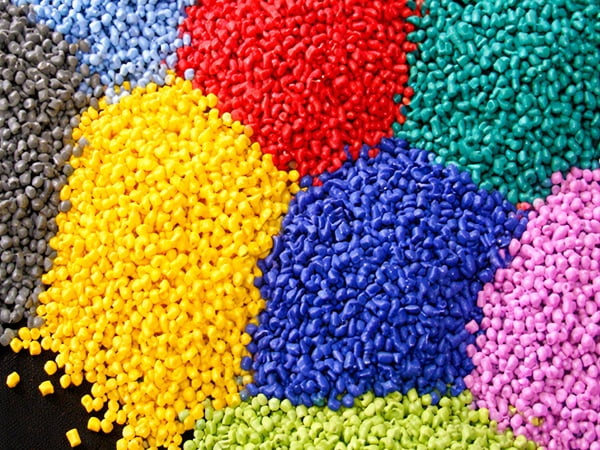
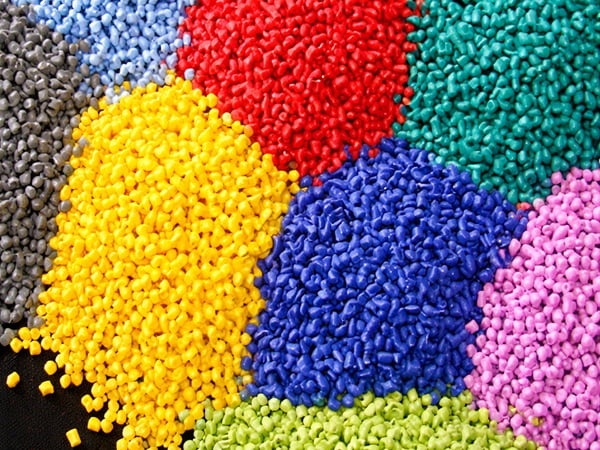
3D printing plastics are synthetic polymers designed for additive manufacturing. They come in filaments, pellets, powders, and liquid resins2. These plastics melt or cure to form solid objects layer by layer. They fit different machines and industrial needs.
The Nature of 3D Printing Plastics
I often talk to engineers who just want a strong part. They forget that the material format matters a lot. Plastics for 3D printing are not just basic chemicals. They are special recipes. We use these recipes to build parts from the bottom up. You can find them in solid wires, tiny pellets, fine dust, or thick liquids. Each format requires a completely different machine to process it. You cannot put pellets into a filament printer. You cannot put resin into a powder machine.
Formats and Uses
At CHENcan CNC, we focus a lot on pellet materials3 for our Industry 3D Printers. Pellets are much cheaper than filaments. You print large parts. The material cost matters a lot. Pellets also melt faster and flow better in huge extruders. We build large machines for heavy industry. We see this cost difference every day.
| Material Format | Machine Type | Main Advantage |
|---|---|---|
| Filament | Standard FDM | Easy to use for small parts |
| Pellets | Industrial Pellet Extrusion | Very low cost for large scale |
| Powder | SLS / MJF | No support structures needed |
| Resin | SLA / DLP | Very high surface detail |
You must balance your structural needs with your manufacturing way. You cannot just pick a plastic because it sounds strong. You must see if it fits your specific machine and your project budget. Choosing the wrong format will stop your project completely.
How Do 3D Printing Technologies Affect Plastic Material Selection?
Do you force a material into the wrong machine? This causes jams and weak parts. You must match the plastic to the printer technology.
The printing technology completely dictates your material options. FDM uses melted plastics. SLA needs light-curing resins. SLS requires polymer powders. You cannot swap these materials between different machine types. The machine process decides what plastics you can actually use.
Technology Drives the Choice
I always tell my clients that the machine chooses the material first. You might want a specific tough plastic. But you cannot use it if you only have a resin printer. You must understand how your printer works. FDM machines heat and squeeze solid plastics. SLA machines shine light into liquid resins. SLS machines shoot lasers at flat beds of powder. The technology limits your options right from the start.
Scale Changes Everything
The rules change when you make big parts. A small FDM printer handles standard plastics fine. But we build massive parts with our Industry 3D Printers. Material behavior changes at this large scale. Large scale printing means more heat builds up. Thermal distortion becomes a huge problem. You need materials that stay stable when they cool down over a huge area.
| Technology | Material State | Scale Capability |
|---|---|---|
| Standard FDM | Solid Filament | Small to Medium |
| Pellet Extrusion | Solid Pellets | Very Large |
| SLA | Liquid Resin | Small, High Detail |
| SLS | Fine Powder | Medium, Complex |
You must look at cost and performance as a complete system. Your tech choice sets your material limits and your final part cost.
What Are Common Filament Plastics for FDM 3D Printers?
Are you stuck debating simple plastics? Focusing on basic choices limits your industrial potential. Let us look at what standard filaments actually do.
PLA, ABS, and PETG are the most common FDM filaments. PLA is easy to print but weak. ABS is tough but warps easily. PETG offers a good mix of strength and ease. These are good for small prototypes but often fail in heavy industrial use.
Moving Past the Basics
Many new users spend hours arguing if PLA or ABS is better. I suggest you skip this debate. We rarely worry about this basic level in industrial manufacturing. Standard filaments are fine for small models on your desk. But they do not solve big engineering problems. PLA melts in a hot car. ABS warps terribly if the printer is not fully closed and hot. You waste time focusing on these small differences.
Real World Value
PETG is okay if you make a small bracket. But standard filament is too slow and too costly if you make a two-meter boat hull mold. You need to think about the cost model. Buying two-kilogram spools gets very expensive very fast.
| Plastic Type | Pros | Cons |
|---|---|---|
| PLA | Prints very easily | Low heat resistance |
| ABS | Good impact strength | Warps a lot, smells bad |
| PETG | Stronger than PLA | Stringy, hard to tune |
We move away from thin wires for serious industrial work. We move toward large pellet systems. This lowers the cost and speeds up the work.
What Are Engineering Plastics and High-Performance Materials?
Do standard plastics break under pressure? Weak parts ruin big projects and cost you clients. You need high-performance materials for real mechanical stress.
Engineering plastics like Nylon, Polycarbonate, and PEEK offer extreme strength and heat resistance. They replace metal parts in many industries. These materials require very hot extruders and heated build chambers. They are perfect for automotive, aerospace, and heavy machinery end-use parts.
Meeting Tough Demands
I talk to engineers in the aerospace and automotive fields every week. They need serious strength. They cannot use simple plastics. They need engineering materials. Nylon gives great wear resistance. Polycarbonate handles heavy impacts. PEEK can survive inside a hot engine. These materials act a lot like aluminum. They are strong, light, and tough. They open doors to real industrial production.
The Challenge of Large Scales
But these materials are very hard to print. They need very high temperatures to melt. High-performance plastics want to shrink when you print a large part. This shrinkage causes massive warping. Thermal distortion control becomes the biggest challenge. At CHENcan CNC, we design our machines to hold heat exactly where it is needed.
| Material | Best Feature | Printing Difficulty |
|---|---|---|
| Nylon (PA) | Very tough, flexible | High (absorbs water) |
| Polycarbonate (PC) | High impact strength | High (needs hot chamber) |
| PEEK | Extreme heat resistance | Very High (needs special machine) |
You must plan your cost model carefully. High-performance materials cost a lot more. You only use them when the structural needs demand it.
What Are Flexible, Soluble, and Specialty Plastic Materials?
Do you struggle to print soft parts or complex shapes? Standard rigid plastics fail here. You need specialty materials to solve these unique problems.
Flexible plastics like TPU create rubber-like parts that bend and stretch. Soluble plastics like PVA or HIPS act as support structures and wash away in water or chemicals. Specialty materials include glow-in-the-dark, conductive, or flame-retardant plastics for very specific industrial tasks.
Adding Unique Features
Sometimes a part must bend instead of break. I see many automotive design companies use TPU to make custom seals and gaskets. TPU acts like rubber. It is great for testing fits on real cars. But it prints very slowly. It jams the machine if you push it too fast. You must tune your printer settings perfectly to use it well.
Solving Complex Geometries
Soluble materials are magic for complex designs. You cannot pull normal supports out if you print a part with deep holes. You print the supports with PVA instead. Then you drop the part in water. The PVA melts away. This leaves a perfect part.
| Specialty Type | Example Material | Main Use Case |
|---|---|---|
| Flexible | TPU / TPE | Gaskets, tires, soft grips |
| Water Soluble | PVA | Complex support structures |
| Chemical Soluble | HIPS | Supports for ABS parts |
| Flame Retardant | PC-ABS FR | Train interiors, airplane parts |
Specialty materials add great value. But they also add time and cost. You must decide if the special feature is worth the extra effort in your manufacturing process.
How Do Composite and Fiber-Reinforced Plastics Work in 3D Printing?
Are pure plastics too weak for your heavy tools? Breaking parts stop your production line. Adding fibers to plastic solves this structural weakness.
Composite plastics mix a base polymer with chopped carbon fiber or glass fiber. This makes the material much stiffer, stronger, and lighter. They resist heat and warping much better than pure plastics. These materials are heavily used for custom tooling, large molds, and strong automotive parts.
The Power of Fibers
Pure plastic has limits. Pure plastic moves too much when our clients make large wind turbine blade molds. We solve this by using composite materials. We mix short carbon fibers or glass fibers into the plastic pellets. The fibers act like tiny steel bars inside concrete. They lock the plastic in place. This creates a very stiff and strong structure.
Controlling Thermal Distortion
Material behavior changes fast when you increase the printing volume. Big parts want to shrink and curl up at the edges. Fiber-reinforced plastics stop this. The fibers lower the shrinkage rate. This makes large-scale printing much easier. It gives you tight dimensional control over huge parts.
| Fiber Type | Base Plastic Examples | Main Benefit |
|---|---|---|
| Carbon Fiber | Nylon, PETG, ABS | Very stiff, very light, low warp |
| Glass Fiber | PP, Nylon | Strong, cheaper than carbon |
| Wood Fiber | PLA | Looks like real wood |
Fibers eat away standard brass nozzles quickly. You must use hardened steel nozzles. We use specially hardened screws in our large pellet machines. These handle tons of composite materials without wearing out.
What Powder and Resin Plastics Are Used in SLS, SLA, and MJF?
Do FDM layers look too rough for your final product? Poor surfaces lose customer trust. Powders and resins give you perfect, smooth finishes.
SLA uses liquid resin plastics to print parts with extreme detail and smooth surfaces. SLS and MJF use nylon powders to print strong, complex parts without needing support structures. These plastics are ideal for medical devices, jewelry casting, and complex industrial end-use parts.
Moving Beyond Extrusion
FDM and pellet extrusion are great for large and tough parts. But sometimes you need a part that looks like it came from an injection mold. I always point clients to resins or powders for this. Liquid resins cure with UV light. They make parts with details so tiny you barely see them. Dental labs use resins every day to make perfect tooth molds.
Powder Bed Advantages
Powder plastics like Nylon 12 are amazing for complex mechanical parts. The powder holds the part up while it prints in SLS or MJF machines. You do not need to print support structures. You can print a fully working gear assembly in one piece.
| Process | Material Type | Best For |
|---|---|---|
| SLA / DLP | Liquid Resin | High detail, smooth finish |
| SLS | Nylon Powder | Strong, complex, no supports |
| MJF | Nylon / TPU Powder | Fast batch production |
These materials are generally more expensive than pellets. The machines are also costly. You must balance this high cost against your need for perfect surfaces and complex shapes.
What Are Key Material Properties Like Strength, Heat Resistance, and Durability?
Do your printed parts fail in the real world? Guessing material specs leads to disasters. You must understand the exact physical properties of your plastic.
Key properties include tensile strength, impact strength, and heat deflection temperature. Durability involves resistance to UV light, water, and chemicals. You must match these exact properties to the real-world environment where your part will live and work.
Understanding Real World Stress
I see many companies print a part, put it on a machine, and watch it break on day one. They did not check the material properties. You must look at the numbers. Tensile strength tells you how much weight the part can hold before it snaps. Impact strength tells you if it will shatter when dropped. You must match these numbers to your real needs.
Heat and Chemicals
Heat deflection temperature is crucial. A plastic will melt in a hot factory if it has a low heat rating. You also need to think about chemicals. Will oil or cleaning fluids touch the part? Some plastics melt when oil hits them.
| Property | What It Means | Important For |
|---|---|---|
| Tensile Strength | Resistance to pulling | Load-bearing brackets |
| Impact Strength | Resistance to sudden shocks | Tools, bumpers, covers |
| Heat Deflection | Temperature it goes soft | Engine bays, hot factories |
| Chemical Resistance | Surviving oils and solvents | Factory floors, automotive |
These properties shift slightly when you scale up to large parts. How the layers bond together affects the final strength. You must test the printed part yourself. You cannot just read the raw material data sheet.
What Are Typical Applications of 3D Printer Plastic Materials by Industry?
Do you wonder if 3D plastics work in your specific field? Using the wrong use case wastes time. I will show you how major industries use these materials today.
Automotive uses strong composites for custom tooling and prototypes4. Aerospace uses lightweight, flame-retardant plastics for cabin parts. Foundries print large plastic patterns for metal casting. Medical fields use resins for dental guides. Heavy industries use cheap pellet plastics5 to print massive molds and fixtures quickly.
Matching Material to Industry
Different industries solve different problems with 3D plastics. We build large machines for heavy industry at CHENcan CNC. Our clients do not make small toys. They make real industrial tools. A shipyard might print a huge custom mold for a fiberglass boat part. They need materials that are cheap and can be printed fast.
Regional Market Differences
Cost models change depending on where you are. I have a great example of this. Chinese factories often use PP pellets in the mold making industry. PP is very cheap and highly practical in the Chinese market. But I work with clients in India who make the exact same molds. ABS is the most common and practical choice in the Indian market.
| Industry | Typical Application | Preferred Material |
|---|---|---|
| Automotive | Jigs, fixtures, prototypes | Carbon Fiber Nylon, ABS |
| Aerospace | Ducting, cabin parts | PEEK, Flame Retardant PC |
| Foundry | Casting patterns | PMMA, PLA, ABS |
| Tooling | Large lay-up molds | Glass Fiber PP, ABS Pellets |
It is always a system decision. You must balance your local material costs with the performance you need for your specific industry.
How to Choose the Right Plastic Material for Your 3D Printer?
Are you ready to pick your material but feel unsure? A bad choice breaks your budget. I will guide you to make the smartest material decision.
Start by defining your structural needs and heat requirements. Next, match those needs to your specific printing technology. Then, calculate your cost model, especially if printing large parts. Finally, choose a material format like pellets or filaments that fits your machine and keeps your project profitable.

A System Level Decision
Choosing a material is a balancing act. It is a mix of structural needs, manufacturing ways, and cost models. You cannot look at just one thing. First, write down the temperature and stress your part will face. Second, look at the printer you own. You need a large pellet printer to control costs if you need a massive part.
Managing Scale and Cost
Material cost becomes the biggest factor when print volume increases. You cannot print a 500-kilogram mold using expensive filament spools. You must use industrial pellets. You also need to manage thermal distortion. Big parts warp easily. You need materials with low shrinkage, like fiber-filled plastics.
| Decision Step | Action Required | Why It Matters |
|---|---|---|
| 1. Structural Need | Check strength and heat | Prevents part failure |
| 2. Tech Match | Match to your machine | Ensures part can be printed |
| 3. Scale Check | Assess size and warping | Controls thermal distortion |
| 4. Cost Model | Compare local prices | Keeps the business profitable |
Always remember the PP and ABS example. Look at what is cheap and available in your local market. Do not just follow internet trends. Make a smart choice for your whole system.
Conclusion
Choosing 3D printer plastics means balancing your structural needs, printer technology, and budget. Focus on how scale changes material behavior, and always match your cost model to local realities.
Understanding the variety of 3D printer plastic materials helps you choose the right one for your specific printing needs and technology. ↩
Explore the different formats of 3D printing materials to find the best fit for your machine and project requirements. ↩
Discover why pellet materials are preferred for large-scale industrial 3D printing and how they can reduce costs. ↩
Explore how 3D printing enables the creation of custom tooling and prototypes, reducing time and cost in product development. ↩
Discover how cheap pellet plastics offer cost-effective solutions for large-scale 3D printing in heavy industries. ↩