
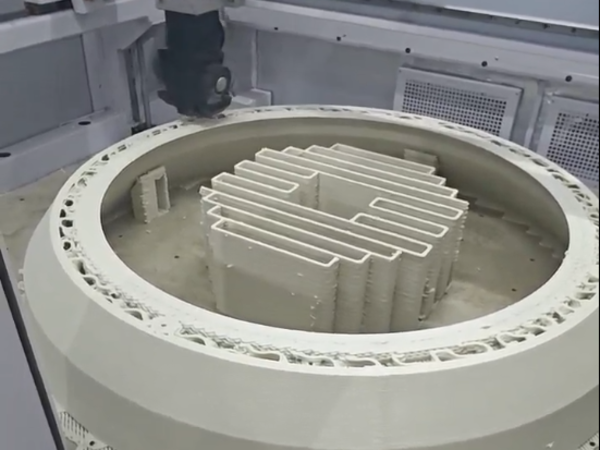
Do you struggle to make large parts fast? Long wait times hurt your profits. Large Scale Additive Manufacturing1 solves this problem and saves you money.
Large Scale Additive Manufacturing is an industrial process. It builds very big parts layer by layer. It uses plastic pellets2 instead of thin wire. This method cuts costs and speeds up production for big molds and tools.
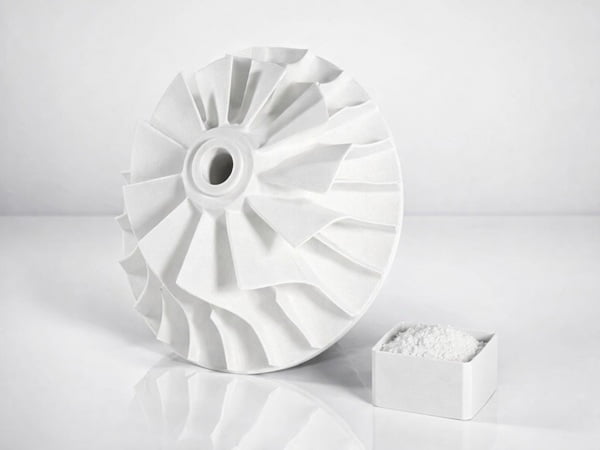
I have seen many factory owners give up on large parts because of high costs and slow speeds. Do not stop reading here. I will show you exactly how this technology works and how it can completely change your factory production.
What Is Large Scale Additive Manufacturing ?
Are your big projects stuck in the design phase? Slow traditional methods waste your time. LSAM builds huge parts directly from digital files.
LSAM is not just a bigger 3D printer. It is a manufacturing-oriented structural additive system3. It builds strong, usable industrial parts. It handles the heavy demands of real factory production.
I always tell my clients that LSAM is a true manufacturing tool. In the past, people used 3D printers just to make small models. They wanted to see what a part looked like. Today, we need actual parts that work in the real world. A manufacturing-oriented structural additive system does exactly this. It creates parts that hold heavy loads. At CHENcan CNC4, we have over 27 years of industry experience in machine tools. We know what a real factory needs. We build our industrial 3D printers to work hard every single day. You cannot just take a small desktop printer and make it bigger. The whole design must change completely. We use heavy steel frames. We use strong drive motors. We use thick rails. This ensures the machine stays stable during fast moves. We focus on full-process manufacturing control5. Below is a table that shows the clear difference between simple printers and our strong structural systems.
Simple Printer vs Structural System
| Feature | Simple Desktop Printer | Structural Additive System |
|---|---|---|
| Main Goal | Small visual models | Large working parts |
| Machine Frame | Light aluminum | Heavy cast iron or steel |
| Output Speed | Very slow | Very fast |
| Part Strength | Weak | Very strong |
How Does Large Scale Additive Manufacturing Differ from Conventional 3D Printing?
Do large prints fail and warp? Desktop printers cannot handle big sizes. Industrial LSAM machines control heat and movement to stop these failures.
Large size brings new problems. It is not a simple scale-up. Heat management becomes very hard. Structural deformation gets much worse. The motion system needs higher rigidity. The material cost model6 also completely changes.
I remember a time when an engineer tried to print a boat hull on a basic large printer. The part warped and cracked. The engineer lost a lot of money and time. Why did this happen? Because making things bigger changes the physics completely. When you print a large part, the plastic takes a long time to cool. The bottom gets cold while the top is still hot. This creates internal stress. The part bends. This is why heat management is a big challenge. Also, the print head pushes a lot of heavy plastic very fast. The machine shakes if the frame is weak. The motion system must have very high rigidity to stay accurate. Finally, using thin plastic wire costs too much money for big parts. The material cost model changes completely at this size. You must use cheap plastic pellets instead to make a profit.
Challenges of Scaling Up
| Challenge | Why It Happens | How We Fix It |
|---|---|---|
| Heat Management | Large parts cool unevenly | Heated build chambers |
| Deformation | Internal stress pulls the part | Better material mixes |
| Rigidity Needs | Heavy print heads move fast | Thick CNC-style frames |
| High Costs | Wire filament is expensive | We use cheap raw pellets |
What Are the Core Technologies Behind LSAM: FFF, FGF, and Pellet-Based Extrusion?
Are material costs eating your budget? Standard 3D printing wire is too expensive. Pellet-based extrusion drops your costs and prints much faster.
FFF uses thin plastic wire. It is slow and costly. FGF uses plastic pellets. FGF means Fused Granular Fabrication. FGF is the core technology for LSAM. It pushes out heavy amounts of plastic quickly.
Let me explain the real difference between FFF and FGF. FFF stands for Fused Filament Fabrication. You buy a spool of plastic wire. The machine melts the thin wire. This is fine for small toys or simple items. But imagine printing a large wind turbine blade mold with a thin wire. It would take many years to finish. FGF stands for Fused Granular Fabrication. It uses a big metal screw to melt raw plastic pellets. This is the exact same raw material used in traditional injection molding. I always suggest FGF technology to my factory clients. It is the only way to make large structural parts make sense. The screw pushes out many kilos of plastic every hour. The printed lines are very thick. The layers bond very well together. This heavy technology requires a strong machine structure. At CHENcan CNC, we use our rich CNC router experience to build strong and reliable FGF systems.
FFF versus FGF Technology
| Technology | Material Type | Speed | Best For |
|---|---|---|---|
| FFF | Plastic Wire | Slow | Small details |
| FGF | Plastic Pellets | Fast | Huge industrial parts |
Why Is Pellet 3D Printing Driving Industrial-Scale Adoption?
Do you want to print bigger but keep costs low? High costs stop many companies. Pellet printing makes large parts cheap and fast.
Pellet printing changes the material cost model. Pellets cost up to ten times less than filament wire. Factories can buy raw plastic in huge bags. This makes large structural parts very cheap to produce.
I visit many factories every year. I see smart bosses worry about high material costs. If a big part weighs 500 kilos, you cannot use filament wire. The wire costs too much money. This is why pellet printing is changing the whole industry. Pellets are the most basic form of plastic. Every plastic factory in the world makes them in large amounts. When you buy raw pellets, you pay the lowest possible price. This changes the whole material cost model for your business. Suddenly, printing a large boat hull becomes much cheaper than making a traditional wood mold. Also, pellet machines push plastic out very fast. You get very high output. You save a lot of money on materials. You save a lot of time on human labor. This is why bosses and purchasing managers love our Industry 3D Printers. We design them specifically for pellet materials to help you do profitable batch production.
Cost Model Comparison
| Material Form | Price per Kilo | Availability | Print Speed |
|---|---|---|---|
| Filament Wire | Very High | Limited | Slow |
| Raw Pellets | Very Low | Everywhere | Very Fast |
What Materials Are Used in Large Scale Additive Manufacturing and Their Performance?
Do your plastic parts break under pressure? Weak materials ruin good designs. LSAM uses advanced composite materials7 to build very strong parts.
LSAM uses strong polymers mixed with carbon fiber or glass fiber. Pure plastic shrinks and warps when it is big. Adding fibers stops the shrinking. It makes the parts stiff, strong, and able to handle high heat.
I always tell young engineers that material choice is the secret to success in LSAM. If you use pure ABS plastic to print a big box, the box will warp. The corners will lift up from the table. The part will fail completely. We solve this big problem by using advanced composite materials. We take standard plastic pellets and mix them with chopped carbon fiber. The carbon fiber acts like a strong skeleton inside the plastic. It makes the plastic very stiff. It stops the plastic from shrinking when it cools down in the room. This is very important for manufacturing-oriented structural parts. You can also use materials like PC, PETG, or even high-temperature plastics. Our CHENcan industrial printers can heat up very high to melt these strong materials easily. Wind turbine blade makers use these carbon-filled materials to print huge, accurate molds that do not bend under heavy pressure.
Common LSAM Materials
| Material Type | Key Benefit | Best Application |
|---|---|---|
| ABS + Carbon Fiber | High stiffness, low warp | Large molds, tooling |
| PETG + Glass Fiber | Good strength, cheap price | Prototypes, signs |
| High-Temp PC | Handles high heat easily | Aerospace parts |
What Are the Key Technical Parameters: Build Volume, Deposition Rate, and Accuracy?
Are you confused by 3D printer specs? Wrong numbers lead to bad machine choices. You must understand volume, speed, and accuracy to win.
Build volume tells you the biggest part you can make. Deposition rate tells you how many kilos of plastic print per hour. Accuracy tells you how exact the part is. High speed usually means lower accuracy.
When a smart purchasing manager calls me, they always ask three simple things. How big? How fast? How exact? Build volume is an easy answer. We make big machines that can print parts several meters long. Deposition rate is the actual speed. In LSAM, we measure this speed in kilos per hour. A good pellet extruder can push 10 to 50 kilos every hour. But here is the critical thinking part you must understand. You cannot have maximum print speed and maximum surface accuracy at the exact same time. If you push 50 kilos an hour, the plastic lines are very thick. The surface will look rough. It will look like a set of stairs. If you want a smooth surface, you must print slower with thinner lines. Or, you print very fast and then use a CNC router to cut the surface smooth. This is why balancing these parameters is a daily job for engineers.
Parameter Trade-offs
| Parameter Focus | Resulting Speed | Resulting Surface |
|---|---|---|
| High Deposition Rate | Very Fast | Rough |
| High Accuracy | Slower | Smooth |
| Fast Print + CNC Cut | Fast Overall | Perfect Finish |
How Do Thermal Control and Motion Systems Work in Large Format Printing?
Do your machines shake and ruin prints? Weak frames cause bad parts. High-level motion systems and strict thermal control keep your prints perfect.
Large parts cool down poorly. Good thermal control uses heated beds and hot chambers to keep the part warm. The print head is heavy. The motion system needs high rigidity, like a metal CNC machine, to move smoothly without shaking.
This is where we see the biggest difference between a simple toy and a real factory tool. I mentioned earlier that heat management difficulty increases with large size. If the factory room is cold, a big print will crack right in the middle. We must use heated print beds. We sometimes build thick walls around the machine to keep the hot air inside. This is proper thermal control. Next, let us talk about the heavy motion system. A pellet extruder head is very heavy. It weighs many kilos. If you put a heavy head on a weak aluminum frame, the machine shakes when it changes direction quickly. The shake ruins the print quality. The motion system rigidity requirements are much higher for LSAM. At CHENcan CNC, we build our industrial 3D printers using the exact same heavy steel frames as our 5-Axis Machining Centers. This stops all shaking and gives you a perfect structural part.
System Requirements for LSAM
| System | Problem It Solves | Engineering Solution |
|---|---|---|
| Thermal Control | Parts cracking from cold air | Heated zones and enclosures |
| Motion System | Machine shaking from heavy head | Heavy cast iron/steel frames |
| Drive Motors | Lost steps during fast moves | Strong servo motors |
What Are the Industrial Applications of Large Scale Additive Manufacturing?
Are you still making molds by hand? Manual work is slow and has errors. LSAM builds huge industrial parts for many different industries.
Factories use LSAM to print large foundry molds, boat hulls, and aerospace tools. Wind turbine makers print huge blade molds. Automotive companies print car body prototypes. It replaces slow manual work with fast digital manufacturing.
I work closely with clients from more than 70 countries. I see them use our machines in amazing ways every day. One classic client is a yacht manufacturer. In the past, they built large boat molds out of wood. It took many months of hard manual work. Now, they use our Industry 3D Printer to print the big mold in just five days. Then they use our Gantry Mold Machining Center to smooth the final surface. Another big application is the wind energy sector. Wind turbine blades are huge. Making the molds for these blades is very hard work. LSAM prints big sections of the mold very quickly. Foundry pattern makers also love this new technology. They print large sand-casting patterns fast. Automotive design companies print full-size car models to test aerodynamics. LSAM fits perfectly into heavy machinery, special vehicle manufacturing, and industrial design. It brings digital speed to heavy industry.
Key Industries and Uses
| Industry | Traditional Method | LSAM Application |
|---|---|---|
| Marine / Boats | Wood molds | Printed boat hulls and molds |
| Wind Energy | Hand-laid fiberglass | Printed blade molds |
| Automotive | Clay modeling | Full-size plastic prototypes |
| Foundry | Wood pattern making | Fast printed casting patterns |
What Are the Advantages and Limitations of LSAM Compared to Traditional Manufacturing?
Do you wonder if LSAM can replace your CNC machines? Every tool has limits. Knowing the pros and cons helps you make smart choices.
LSAM saves a lot of material and time for big parts. It does not waste material like a cutting machine. But it has limits. The surface finish is rough. You often need traditional CNC machining to make the part smooth.
Let us think critically about real factory manufacturing. I never tell my customers that a 3D printer can do absolutely everything. LSAM is an additive process. It adds plastic material only where you need it. Traditional CNC is a subtractive process. It cuts solid material away from a big block. The advantage of LSAM is very clear. You save a lot of material. You save a lot of money. You can make complex hollow shapes easily. But there are real limitations you must know. A printed part has visible layer lines. The surface is not perfectly smooth. Also, the accuracy is good, but not as exact as metal cutting. This is why we really need both technologies. You use LSAM to build the rough shape very fast. Then you use a traditional CNC machine to cut the final surface smooth. They work perfectly together. We call this a hybrid process. It gives you the best of both worlds.
LSAM vs Traditional CNC
| Feature | LSAM (Additive) | Traditional CNC (Subtractive) |
|---|---|---|
| Material Use | Very low waste | High waste |
| Speed for Big Shapes | Very fast | Slow |
| Surface Finish | Rough layer lines | Perfectly smooth |
| Best Strategy | Make the rough shape | Finish the exact surface |
What Is the Future of Large Scale Additive Manufacturing in Industrial Production?
Will your factory fall behind the new technology? The future moves fast. Hybrid machines and better materials will change how we build everything.
The future of LSAM is the hybrid machine. These machines will print the part and then CNC mill it in the same place. We will also see smarter software. This software will predict heat changes and stop deformation automatically.
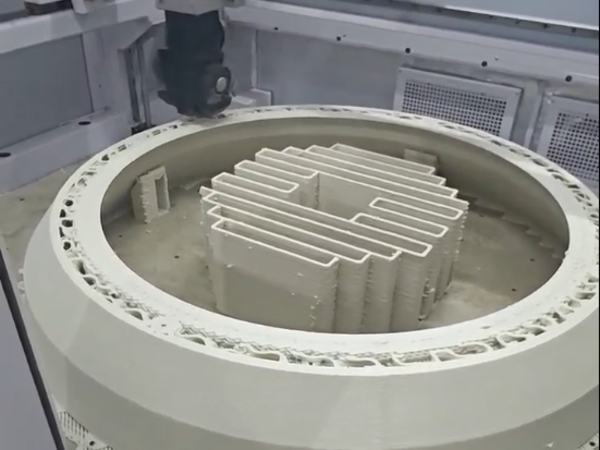
I strongly believe the future belongs to smart companies that combine different technologies. Right now, many factories buy a 3D printer and a separate CNC router. They move the heavy printed part from one machine to the other machine. In the near future, hybrid machines will do both jobs easily. A single big machine will have a pellet extruder and a fast milling spindle. It will print a hot layer, and then cut it smooth right away. We are already working on these integrated production solutions at CHENcan CNC. Also, the computer software will get much smarter. Right now, engineers must guess how a large part will cool down. In the future, AI software will simulate the heat. It will change the print path to prevent any structural deformation automatically. The material cost will keep dropping. More factories will use this structural additive system for their daily batch production.
Future Trends in LSAM
| Trend | Current Status | Future Status |
|---|---|---|
| Machine Type | Separate Printer and CNC | All-in-one Hybrid Machine |
| Heat Management | Manual testing | AI predicts and stops warp |
| Production Role | Mostly prototypes and molds | Full daily batch production |
Conclusion
Large Scale Additive Manufacturing is a powerful structural system. It lowers material costs and speeds up production. Controlling heat and movement helps factories build huge, strong industrial parts easily.
Explore how this innovative technology can revolutionize your production process by building large parts efficiently and cost-effectively. ↩
Learn how using plastic pellets instead of wire can significantly reduce costs and increase production speed for large-scale manufacturing. ↩
Discover how this system differs from traditional 3D printing and its benefits for industrial applications. ↩
Find out about CHENcan CNC's expertise and their role in advancing industrial 3D printing technology. ↩
Explore how controlling the entire manufacturing process ensures quality and efficiency in large-scale additive manufacturing. ↩
Learn how switching to pellet-based printing can drastically reduce material costs for large-scale production. ↩
Discover how composite materials enhance the strength and durability of large printed parts. ↩