
What is Large Format Additive Manufacturing (LFAM): Technologies, Materials, and Industrial Applications Explained?
Are you struggling with slow production times for massive parts? Traditional methods cost too much money and time. LFAM can solve your big manufacturing problems right now.
Large Format Additive Manufacturing (LFAM)1 is an industrial 3D printing process used to create huge parts quickly. It uses advanced pellet extrusion2 to build large-scale tools, molds, and prototypes. This saves time and cuts costs for the aerospace, marine, and automotive industries3.
You might wonder how this technology actually works on the factory floor. Let me show you exactly what you need to know before you invest in these machines.
What Is Large Format Additive Manufacturing and How It Differs from Conventional 3D Printing?
Do desktop 3D printers limit your part size? Sticking parts together causes weak joints and wastes time. LFAM prints huge, strong parts in one single piece.
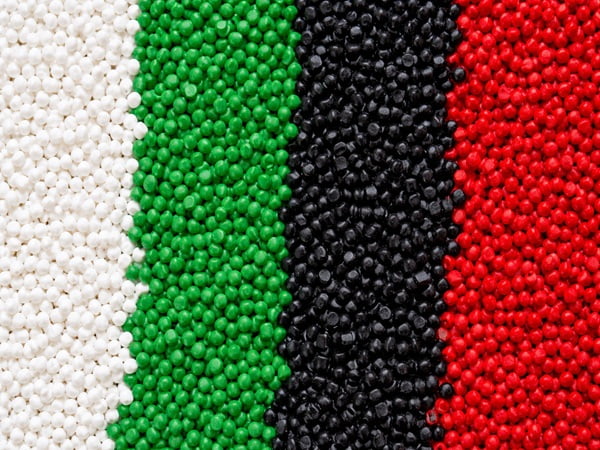
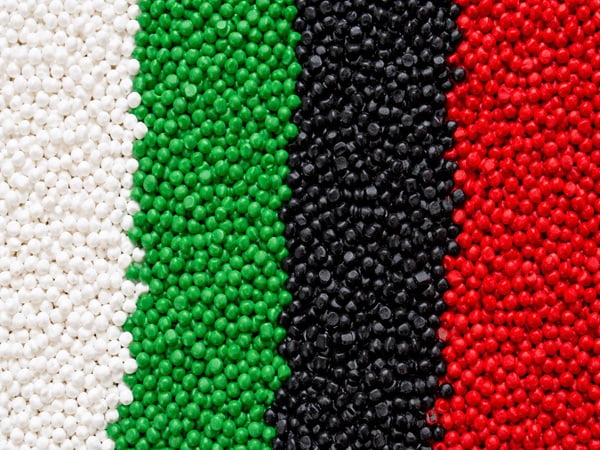
LFAM differs from conventional 3D printing by its massive build volume4 and high material output rate5. Normal printers use thin filament for small details. LFAM uses thick plastic pellets6 to print large industrial parts very fast.
The Size Difference
Desktop printers limit your work. You can only print small items. If you want a big part, you must print many small pieces. Then you glue them together. This process creates weak joints. The final part breaks easily. LFAM changes this rule completely. We build machines that print car molds in one single piece.
The Speed Difference
Small printers push tiny plastic wires slowly. This takes days or weeks. LFAM pushes thick plastic fast. We measure this speed in kilograms per hour. You get your massive part in just a few days.
Comparison Breakdown
Here is a simple look at the differences between the two methods.
| Feature | Normal 3D Printing | LFAM 3D Printing |
|---|---|---|
| Part Size | Very small | Huge, up to several meters |
| Print Speed | Very slow | Very fast |
| Material Form | Plastic wire | Plastic pellets |
| Main Use | Small prototypes | Big industrial molds |
At CHENcan CNC, we see many clients struggle with slow production. We use our 27 years of experience to help them switch to large-scale printing. This technology makes their work much easier and faster.
Why LFAM Is Essential for Industrial-Scale Manufacturing?
Is your tooling process taking months? Long lead times hurt your market launch. LFAM cuts tooling time from months to just a few days.
LFAM is essential for industrial manufacturing because it reduces lead times and tooling costs. It allows companies to print custom molds, jigs, and fixtures7 on demand. You do not need to wait for expensive metal casting or long CNC machining cycles.
Saving Time and Money
Traditional tooling is very slow. You must order metal blocks. Then you wait for a machine to cut the metal. This takes many weeks. LFAM changes this. You can print a huge mold in one weekend. This fast speed saves a lot of money.
Better Supply Chain Control
Many companies rely on outside suppliers for tools. If the supplier is late, your whole factory stops. LFAM puts you in control. You print what you need inside your own factory.
Industrial Benefits
Here is why big factories need this technology.
| Benefit | Traditional Method | LFAM Method |
|---|---|---|
| Tooling Time | 4 to 8 weeks | 2 to 5 days |
| Tooling Cost | Very high | Very low |
| Design Changes | Hard and costly | Easy and cheap |
We help boat builders and wind energy companies make this change. They use our industrial 3D printers to make large molds. They tell me this saves them thousands of dollars every month.
FFF vs FGF in Large Format 3D Printing: Key Technical Differences?
Are you confused by 3D printing terms? Picking the wrong extrusion method ruins your project budget. Understanding FFF and FGF helps you choose the right machine.
FFF uses spools of plastic wire, which is good for detail but slow and costly. FGF melts cheap plastic pellets directly. FGF is much faster and cheaper for massive industrial parts.
Understanding FFF
FFF stands for Fused Filament Fabrication. This method uses a thin plastic wire. A motor pulls the wire into a hot nozzle. The nozzle melts the wire to build the part. FFF is great for small, detailed parts. But the wire is very expensive. It is also too slow for big parts.
Understanding FGF
FGF stands for Fused Granular Fabrication. This method does not use wire. It uses raw plastic pellets. A large screw pushes the pellets into a big heater. The heater melts the pellets fast. FGF pushes out a huge amount of plastic quickly.
Technical Differences
Let us look at the main differences.
| Technology | FFF (Filament) | FGF (Pellets) |
|---|---|---|
| Material Type | Plastic wire | Plastic pellets |
| Material Cost | High | Very low |
| Print Speed | Slow | Very fast |
| Best Application | Small detailed parts | Large industrial molds |
We always suggest FGF for our big clients. Our Industry 3D Printers use the FGF method. This helps our clients build heavy parts without spending too much money.
Pellet-Based Printing: Cost, Speed, and Material Advantages?
Are material costs eating your profits? Buying filament in bulk is still too expensive. Pellet-based printing drops your material costs by a huge amount.
Pellet-based printing offers huge advantages because raw plastic pellets cost up to ten times less than filament. It melts faster, allowing industrial 3D printers to extrude dozens of kilograms per hour. This gives you high-speed, low-cost large part production.
The Cost Advantage
Plastic wire is expensive because factories must melt pellets to make the wire first. You pay for that extra work. Pellet-based printing skips this step. You buy the raw pellets directly. This drops your material price drastically. You save money on every single print.
The Speed Advantage
Pellets melt much faster than wire. Our big machines use a custom screw design to melt pellets quickly. We can push out 20 to 50 kilograms of plastic in one hour. You can finish a large boat mold in just a few days.
Material Advantages
Pellets give you more choices.
| Advantage Area | Details |
|---|---|
| Material Cost | 5 to 10 times cheaper than wire |
| Print Speed | Up to 50 kg per hour |
| Custom Blends | You can mix different pellets easily |
| Waste Reduction | You can recycle old prints into new pellets |
I visit many clients who waste money on wire. I show them our pellet machines. They are always surprised by how much money they save on raw materials.
Build Volume, Deposition Rate, and Layer Size in LFAM Systems?
Are you unsure how big you can print? Misjudging machine specs leads to failed prints. You must understand volume, speed, and layer height.
Build volume defines the maximum part size. Deposition rate measures how many kilograms print per hour. Layer size is thicker in LFAM. This makes prints faster but requires CNC machining later for a smooth finish.
Build Volume
Build volume is the working space inside the machine. It tells you the maximum length, width, and height of your part. Our large gantry machines have massive build volumes. You can print parts that are several meters long.
Deposition Rate
Deposition rate is pure speed. It tells you how much plastic leaves the nozzle every hour. A high rate means you finish big jobs fast. If the rate is too low, a large mold will take weeks to print.
Layer Size
Layer size is the thickness of each plastic line. LFAM uses very thick layers.
| Metric | What It Means | Why It Matters |
|---|---|---|
| Build Volume | Max part size | Decides if your part fits |
| Deposition Rate | Kilograms per hour | Decides how fast you finish |
| Layer Size | Thickness of plastic | Decides print speed and surface finish |
Thick layers make the surface rough. This is normal. After printing, we use our 5-Axis Machining Centers to cut the rough surface. This step gives you a perfectly smooth mold.
Material Options for LFAM: From ABS and PETG to High-Performance Polymers?
Do your printed parts warp or break? Using weak plastics wastes your time. You need the right industrial polymers to get strong, usable parts.
LFAM uses basic plastics like ABS and PETG for simple prototypes. For real industrial tools, we use high-performance polymers8 mixed with carbon fiber or glass fiber. These composite materials offer high heat resistance and extreme strength for tough jobs.
Basic Materials
ABS and PETG are very common. They are cheap and easy to print. We use them for visual models and basic prototypes. But they are not strong enough for heavy factory work. They will melt if they get too hot.
Composite Materials
For real tools, you need composite materials. We mix carbon fiber or glass fiber into the plastic pellets6. This makes the plastic very stiff. It stops the part from bending. It also helps the part survive high heat.
Material Guide
Here is a guide to help you choose.
| Material | Strength | Heat Resistance | Best Use |
|---|---|---|---|
| ABS / PETG | Low | Low | Basic prototypes |
| CF-PETG | Medium | Medium | Light fixtures |
| CF-ABS | High | High | Strong tooling |
| High-Temp Polymers | Very High | Very High | Aerospace molds |
Our clients in the wind energy sector need massive strength. They use our machines to print fiberglass molds. We help them test the best pellet mixtures to make sure their molds never fail.
Thermal Control and Precision Challenges in Large-Scale 3D Printing?
Do your huge prints crack while cooling? Big temperature changes destroy large plastic parts. Good thermal control9 is the secret to perfect big prints.
Thermal control is the biggest challenge in LFAM. As large plastic layers cool, they shrink and warp. We solve this by using heated build chambers, heated beds, and careful printing speeds to keep the temperature even and maintain high precision.
The Warping Problem
When hot plastic hits cold air, it shrinks. In small prints, this is a tiny problem. In a massive print, the shrinking force is huge. It will pull the corners of your part off the table. The part will bend and crack. You will lose days of work.
How We Control Heat
You must keep the heat even. We use thick heated beds to keep the bottom warm. We also enclose the printing area to trap the hot air. This stops the cold air from touching the plastic too fast.
Precision Solutions
Here is how we fix common thermal problems.
| Problem | Cause | Solution |
|---|---|---|
| Warping | Uneven cooling | Use a heated build chamber |
| Cracking | Cooling too fast | Slow down print speed |
| Poor Adhesion | Cold print bed | Increase bed temperature |
I remember a client who tried printing a big car bumper in an open room. It cracked every time. We moved their work to a closed, heated system. The cracking stopped completely. Temperature control is everything.
Typical Applications of LFAM Across Automotive, Aerospace, and Tooling?
Are you wondering who actually uses this? Falling behind your competitors is dangerous. Top industries use LFAM every day to make real parts.
Aerospace companies use LFAM for lightweight composite molds. Automotive brands print custom car body panels and prototyping models. Tooling shops print large jigs, fixtures, and foundry patterns quickly. This saves months of waiting compared to traditional metal tooling.
Automotive Applications
Car makers need new designs fast. They use LFAM to print full-size car models. They also print custom jigs to hold car parts during assembly. This speeds up their factory lines.
Aerospace Applications
Planes need light and strong parts. Aerospace engineers use LFAM to print molds for carbon fiber plane parts. These printed molds handle high heat and pressure. They cost much less than metal molds.
Tooling and Foundry
Foundries use LFAM to print huge sand casting patterns.
| Industry | Common LFAM Use | Main Benefit |
|---|---|---|
| Automotive | Jigs, fixtures, bumpers | Faster design testing |
| Aerospace | Composite molds | Lower tooling weight |
| Tooling | Foundry patterns | Cuts lead time from months to days |
We work with many yacht builders and special vehicle makers. They use our large Gantry machines and 3D printers to build custom boat hulls. They love how fast they can bring a new boat design to the water.
LFAM vs Traditional Manufacturing Methods: When Does It Make Sense?
Should you replace your old machines? Using the wrong method loses you money. Knowing when to use LFAM over traditional methods is vital.
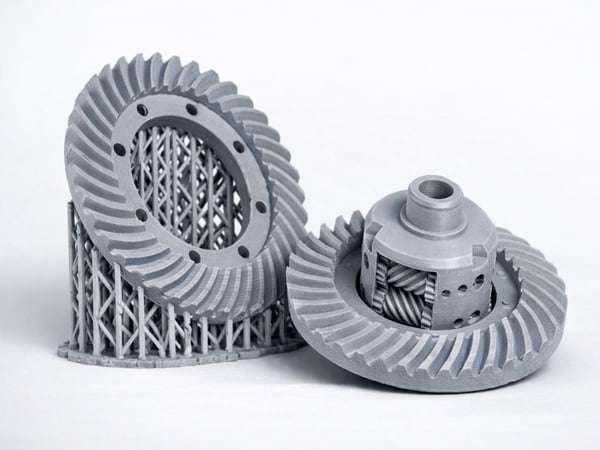
LFAM makes sense for custom, low-volume parts or massive molds where traditional CNC machining wastes too much raw material. Traditional methods are better for high-volume mass production or when you need the extreme strength and tight tolerances of solid metal.
When to Use LFAM
You should use LFAM when you need a big custom part quickly. If you want to make one large mold, CNC cutting a giant block of material wastes too much money. LFAM only puts material exactly where you need it. There is almost no waste.
When to Use Traditional Methods
You should use traditional CNC machines for mass production. If you need 10,000 identical metal parts, CNC is faster and better. Metal also gives you perfect strength for engine parts.
The Hybrid Approach
The best factories use both methods together.
| Method | Best For | Material Waste |
|---|---|---|
| LFAM (3D Printing) | Custom big molds | Very low |
| CNC Machining | Metal mass production | High |
| Hybrid (Both) | Perfect custom molds | Very low |
At CHENcan CNC, we build both systems. We tell our clients to print the big shape first using LFAM. Then, they move the part to our 5-Axis CNC machine. The CNC machine cuts the rough plastic to make it perfectly smooth.
Future Trends in Large Format Additive Manufacturing?
Are you ready for the next industrial shift? Ignoring new tech leaves your factory behind. The future of LFAM brings faster speeds and smarter machines.
The future of LFAM includes smarter software with AI monitoring to fix errors during printing. We will also see more hybrid machines that combine 3D printing and 5-axis CNC milling in one system to print and finish parts instantly.
AI and Smart Software
Printing a huge part takes days. If a mistake happens on day two, you lose a lot of money. New machines will use AI cameras. These cameras will watch the plastic. If the AI sees a mistake, it will adjust the machine instantly to fix it.
Hybrid All-in-One Machines
Moving a massive part from a printer to a CNC machine is hard work. The future is hybrid machines. These machines will have a printing nozzle and a cutting tool on the same gantry.
Future Innovations
Here is what we expect to see soon.
| Future Trend | What It Does | Benefit to You |
|---|---|---|
| AI Monitoring | Watches the print | Stops failed prints |
| Hybrid Systems | Prints and cuts together | Saves floor space and time |
| Eco Materials | Uses plant-based plastics | Helps the environment |
Our R&D team works hard on these new ideas. We want to give our clients the smartest machines in the world. We believe the future of heavy industry relies on fast, smart, and flexible manufacturing.
Conclusion
LFAM changes how we build massive parts. It saves money, cuts lead times, and works perfectly with CNC machining to bring your industrial ideas to life fast.
Discover how LFAM revolutionizes manufacturing with its ability to produce large parts quickly and cost-effectively. ↩
Learn about the advanced pellet extrusion technique that enables fast and efficient large-scale 3D printing. ↩
Understand the impact of 3D printing on these industries, enhancing production capabilities and reducing costs. ↩
Discover how build volume determines the maximum size of parts that can be printed, impacting design possibilities. ↩
Learn how a high output rate accelerates the printing process, making it ideal for industrial applications. ↩
Discover how plastic pellets reduce material costs and increase printing speed compared to traditional filament. ↩
Find out how 3D printing enables the on-demand production of custom tools, reducing lead times and costs. ↩
Explore the benefits of using high-performance polymers for strong, heat-resistant industrial parts. ↩
Learn about techniques to prevent warping and cracking in large prints through effective thermal management. ↩