
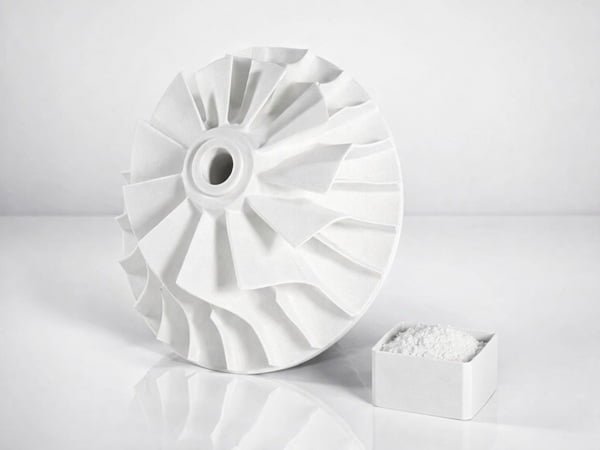
Standard 3D printing with filament is great for small models, but it becomes too slow and expensive for big industrial parts. You might feel frustrated waiting days for a single prototype while watching material costs climb higher and higher.
Pellet extruder 3D printing1, also known as Fused Granulate Fabrication2 , solves this by using raw plastic granules3 instead of filament. This technology melts pellets through a screw extruder4 system, offering printing speeds up to 10 times faster and material costs up to 10 times lower, making it the standard for large-scale industrial manufacturing.
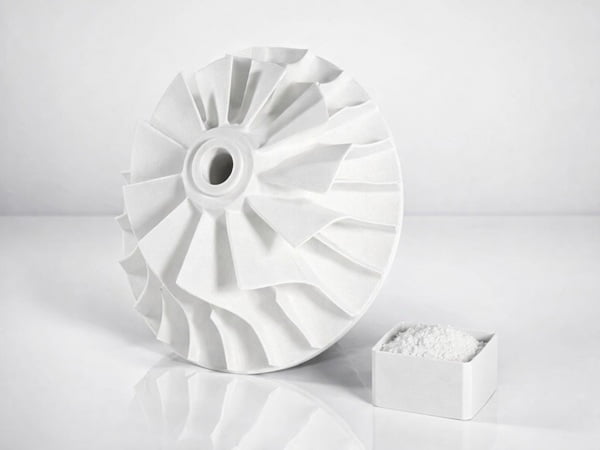
I have spent over 27 years in the manufacturing industry with CHENcan CNC, and I have seen how the demand for large-scale parts has changed. Many of our clients start with small printers. They quickly realize that printing a car bumper or a large mold with thin wire is not practical. That is when they look for a better solution. In this article, I will break down everything you need to know about pellet extrusion technology.
What Are the Differences Between Pellet Extrusion and Filament Extrusion?
Do you know why industrial factories rarely use standard filament rolls for mass production? The main reason is the form of the raw material and the cost attached to it.
Filament extrusion uses a pre-formed plastic wire that is pushed into a heater, while pellet extrusion uses raw plastic granules that are melted and pushed by a screw. Using pellets skips the expensive filament manufacturing process, which saves you a significant amount of money on raw materials.
In my experience at our production bases in Shandong and Jiangsu, the cost difference is the first thing customers notice. Plastic pellets are the raw form of plastic. When you buy filament, you are paying a factory to melt those pellets, pull them into a wire, cool them, and wind them onto a spool. You pay for that extra processing.
With a pellet extruder, you buy the material directly from the source. For example, a kilogram of PLA filament might cost $20. A kilogram of PLA pellets might cost only $2 to $5. If you are printing a 100kg mold, this difference is massive.
Also, the mechanics are different. A filament printer uses gears to grab a thin wire. A pellet printer uses a powerful screw. This screw rotates inside a heated barrel. It generates pressure and shear heat. This melts the plastic much faster than a filament heater can. This allows the machine to push out large amounts of plastic quickly. This is why we use this tech for our large-scale Industry 3D Printers.
Comparison Table
| Feature | Filament Extrusion | Pellet Extrusion |
|---|---|---|
| Material Form | Plastic wire on spools | Raw plastic granules |
| Material Cost | High ($15-$50/kg) | Low ($2-$10/kg) |
| Print Speed | Slow (grams per hour) | Fast (kilograms per hour) |
| Print Size | Small to Medium | Large to Extra Large |
| Mechanism | Pinch wheels push wire | Rotating screw pushes melt |
What Are the Core Components of a Pellet Extruder 3D Printer?
You might look at a large industrial printer and think it looks very complicated inside. However, the logic behind the machine is actually quite straightforward once you identify the key parts.
The core components of a pellet printer are the screw extruder head, the motion control system, and the material feeding system. A critical addition for industrial quality is a dry hopper5, which removes moisture from the plastic before it enters the extruder.
I always tell our engineers that the extruder is the heart of the machine. In our CHENcan designs, the screw extruder is the most vital part. It is not just a tube. It has a specially designed screw inside. This screw has different zones.
- Feeding Zone: This grabs the cold pellets.
- Compression Zone: This squeezes the pellets to remove air and start melting.
- Metering Zone: This pushes the final molten plastic out of the nozzle at a steady rate.
The control system is the brain. It must coordinate the speed of the screw with the movement of the gantry. If the screw spins too fast while the machine moves slow, you get blobs. If it spins too slow, you get gaps. Our systems ensure these two are perfectly synced.
Finally, I must mention the dry hopper. Many plastics like ABS, PC, or Nylon absorb water from the air. If you print with wet pellets, water turns to steam inside the hot screw. This causes bubbles and weak parts. A dry hopper sits on top of the extruder. It blows hot, dry air through the pellets. This ensures the material is perfect before it even melts. In my opinion, using a correct dry hopper5 makes your work twice as effective with half the effort.
Why Do Pellet Extruders Enable True Large-Format 3D Printing?
Have you ever tried to print an object taller than one meter using a standard desktop printer? You usually have to cut the model into twenty small pieces and glue them together later.
Pellet extruders enable true large-format printing because they have high flow rates and a continuous material supply. You can print massive objects in one piece without worrying about running out of a spool or taking weeks to finish a single layer.
Size is the main reason our clients choose our Industry 3D Printers. When we talk about "Large-Format," we mean parts that are 2 meters, 3 meters, or even larger.
First, think about the material supply. A standard filament spool is 1kg. A large print might need 50kg of plastic. With filament, you would have to pause the print and change the spool 50 times. That is a huge risk. If one change fails, the print is ruined. With a pellet system, we use a large hopper. You can pour more pellets into the top while the machine is running. It never has to stop.
Second, think about the nozzle size6. A filament printer usually has a 0.4mm nozzle. A pellet printer uses nozzles from 2mm up to 8mm or more. This means the lines of plastic are much wider and taller. You can build up the wall of a boat or a chair very quickly. A part that takes 100 hours on a filament printer might take only 10 hours on a pellet machine. This speed is the only way to make large manufacturing practical.
What Material Options Are Available from Commodity Plastics to Recycled Pellets?
Are you feeling limited by the specific brands of material you can use with your current machine? Many proprietary machines lock you into expensive cartridges, which hurts your profit margins.
Pellet printing opens up a massive range of open-market materials, including commodity plastics like PLA and ABS, engineering plastics like PC and PETG, and even recycled regrind. This flexibility allows you to create custom material blends for specific project needs.
At CHENcan, we test many different materials. The beauty of pellet extrusion is that you are using the same raw material that injection molding factories use. This means you have thousands of suppliers to choose from.
Standard Materials:
- PLA: Easy to print, low warp, good for prototypes.
- PETG: Stronger, good chemical resistance.
- ABS: Very common for industrial parts, but needs a heated chamber to stop warping.
Advanced Materials:
- Glass Fiber / Carbon Fiber Composites: We can mix fibers into the pellets. This makes the final part incredibly stiff and strong. It is perfect for molds or structural parts.
- TPU/TPE: Flexible materials for making soft parts like gaskets or wheels.
Recycled Materials: This is a personal favorite topic of mine. You can take old 3D prints or waste plastic, shred them into small chunks, and put them back into the printer. We call this "regrind." It is not as perfect as virgin pellets, but for making concrete molds or furniture, it is excellent. It reduces waste and saves money. I have seen clients lower their costs to almost zero by recycling their own factory waste.
What Throughput and Deposition Rates Make Pellet Printing Faster?
Is your production schedule falling behind because your printers cannot keep up with demand? Speed is usually the biggest bottleneck in additive manufacturing.
Pellet printers achieve massive throughput because the screw generates high pressure and melts large volumes of plastic instantly. While filament printers output grams per hour, pellet systems output kilograms per hour, drastically reducing lead times.
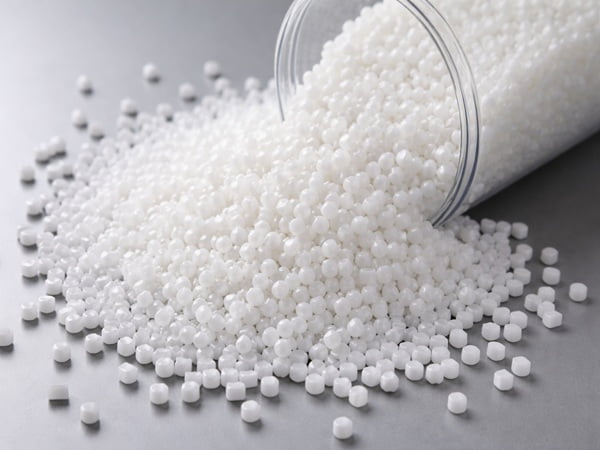
Let us look at the numbers. A standard desktop printer might extrude about 50 grams of plastic per hour. A high-speed professional filament printer might do 100 or 150 grams.
Our industrial pellet extruders can do 2kg, 5kg, or even 10kg per hour depending on the screw size. That is a completely different scale.
How does this work? The screw is a powerful pump. As it rotates, it creates friction. This friction melts the plastic very efficiently. We also use large heating zones around the barrel. This ensures the plastic is fully melted even at high speeds.
When you combine a high flow rate with a large nozzle diameter (like 4mm), you lay down a "bead" of plastic that is very thick. One pass of the pellet extruder might equal 20 passes of a filament printer. This is why you can print a full-size chair in a few hours. For industries like automotive prototyping or construction, this speed is the difference between getting a project and losing it.
What Surface Finish, Strength, and Accuracy Should You Expect?
Are you worried that printing so fast will result in a messy or weak part? It is true that the visual look of pellet prints is different from standard small prints.
Pellet prints have distinct, thick layer lines due to the large nozzle size, but the layer adhesion is often superior, creating very strong parts. While the raw surface is rougher, these parts are usually machined with a CNC mill to achieve high accuracy and a smooth finish.
You must manage your expectations regarding the surface. If you use a 3mm nozzle, you will see 3mm layer lines. The part will look like it has ridges. It will not be smooth like an injection molded part right out of the printer.
However, the strength is excellent. Because the screw pushes the plastic out with high heat and pressure, the layers fuse together very well. The mass of the hot plastic helps it melt into the layer below it. We often make structural parts that hold heavy weights.
For accuracy, we usually recommend a hybrid approach. This is where CHENcan’s expertise comes in. We often combine our 3D printers with our CNC machining centers. You print the part slightly larger than needed (near-net shape). Then, you use a CNC machine to trim the surface. This gives you the speed of printing with the precision of machining. It is the best of both worlds.
What Are the Common Industrial Applications of Pellet Extruder 3D Printing?
You might be wondering if this technology is actually used in the real world or if it is just a gimmick. I can assure you, it is powering major industries right now.
Pellet extruder 3D printing is widely used for manufacturing large composite molds, automotive prototypes, foundry patterns, and furniture. It is the ideal solution for industries that need large, lightweight, and cost-effective tooling.
Based on our client base at CHENcan, here are the top sectors using this tech:
- Mold and Die Tooling: Making molds for composite layup (like fiberglass boat hulls or wind turbine blades). You print the mold shape, machine it smooth, and use it. It is much faster than carving a huge block of foam or metal.
- Foundry Patterns: Metal casting requires a master pattern. We print these in plastic. They are cheap and fast to produce.
- Automotive: Car companies print full-size mockups of bumpers, dashboards, or even entire car bodies to check the design before committing to expensive steel tools.
- Furniture and Design: Designers print chairs, tables, and benches. The thick layer lines actually become a style feature.
- Construction: Printing molds for concrete casting. You can make complex concrete shapes that are impossible with wood formwork.
What Are the Design Rules and Print Settings for Pellet-Based Systems?
Can you simply take a file designed for a small printer and send it to a pellet machine? No, you usually need to adjust your design strategy to get a good result.
Designing for pellet printing requires focusing on continuous extrusion paths and avoiding frequent starts and stops. You should use "vase mode" or spiralized contours whenever possible and design walls that match your nozzle width.
The screw extruder is heavy and powerful, but it is not as agile as a small filament motor. It does not like to stop and start quickly (retraction). If you stop the screw, the plastic might ooze out a little bit because of the pressure inside the barrel.
Therefore, the best designs are continuous loops. We call this Spiral Vase Mode. The machine moves in a constant circle, slowly moving up. This means the screw never stops turning. The print comes out clean and strong.
Key Design Tips:
- Wall Thickness: Make your wall thickness a multiple of your nozzle size. If you have a 3mm nozzle, make walls 3mm, 6mm, or 9mm.
- Overhangs: Large beads of plastic are heavy. They droop if you print them over thin air. Avoid angles steeper than 45 degrees without support.
- Corners: Sharp corners can bulge. Round off your corners (fillets) to help the machine move smoothly.
What Are the Operational Challenges and Maintenance Considerations?
Is buying a pellet printer a "set it and forget it" experience? Like any industrial equipment, it requires skilled operation and regular care to keep running.
Operating a pellet printer involves managing material moisture, preventing screw jams, and maintaining precise temperature profiles. Regular maintenance includes cleaning the screw, checking heater bands, and lubricating the gantry system.
I want to be honest with you. This is a machine for engineers, not hobbyists. One common challenge is heat creep. If you turn off the machine while it is hot, the plastic can melt higher up in the throat of the feeder and create a solid plug. You must follow the cool-down procedure strictly.
Cleaning the screw is another task. If you switch from a high-temperature material (like PC) to a low-temperature one (like PLA), you must "purge" the system. You run a cleaning material through to push out the old plastic. If you don't, the old plastic will burn and create black specks in your new print.
Also, because these machines are large, the gantry maintenance is vital. You must keep the rails greased and check the belt tension. At CHENcan, we design our machines to be robust, but daily checks by your operator will ensure the machine lasts for 10 years instead of 2.
When Is a Pellet Extruder 3D Printer the Right Investment?
How do you know if you should spend the money on this technology? It is a significant capital expense, so you need to be sure the ROI is there.
A pellet extruder 3D printer is the right investment if you regularly produce large parts over one meter in size and your material costs with filament are eating into your profits. It is also the best choice if you need to iterate designs rapidly within days rather than weeks.
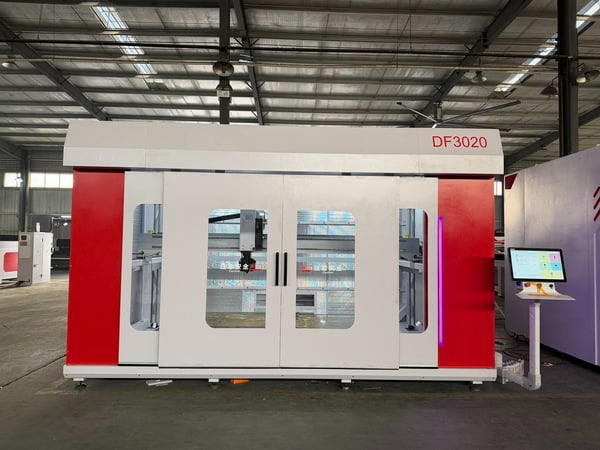
I advise my clients to look at their annual material usage. If you are spending thousands of dollars a month on filament spools, a pellet printer will pay for itself just on material savings.
For example, one of our clients makes fiberglass molds. They used to pay a vendor $5,000 for a foam plug. Now, they print the plug in-house for $300 in plastic pellets. The machine paid for itself in less than a year.
If you are a service bureau, a car manufacturer, or a sculpture artist, this machine gives you freedom. You are no longer limited by the size of the build plate or the cost of the spool. If you are ready to scale up your production, this is the logical next step.
Conclusion
Pellet extruder 3D printing changes the game for industrial manufacturing by offering high speed, massive size, and low material costs. Whether you are making molds, prototypes, or furniture, this technology allows you to produce large parts faster and cheaper than ever before.
Explore how pellet extruder 3D printing revolutionizes large-scale manufacturing with faster speeds and lower costs. ↩
Learn about Fused Granulate Fabrication, a method that uses raw plastic granules for efficient large-scale 3D printing. ↩
Discover the benefits of using raw plastic granules in 3D printing, including cost savings and increased efficiency. ↩
Explore the importance of the screw extruder in efficiently melting and extruding plastic in 3D printing. ↩
Learn how a dry hopper prevents moisture-related issues in 3D printing, ensuring high-quality outputs. ↩
Learn how larger nozzle sizes in pellet extruders contribute to faster and more efficient 3D printing. ↩