
Pellet 3D Printing: When and Why Pellet 3D Printers Make Sense?
Are you tired of paying high prices for filament when you need to print large industrial parts? Waiting days for a single prototype to finish can destroy your production schedule.
Pellet 3D printing, also known as Fused Granular Fabrication1 (FGF), is an additive manufacturing process2 that uses raw thermoplastic granules3 instead of filament. This method significantly lowers material costs and increases print speeds by using a screw extrusion system, making it the ideal choice for large-scale industrial manufacturing, furniture making, and rapid prototyping.
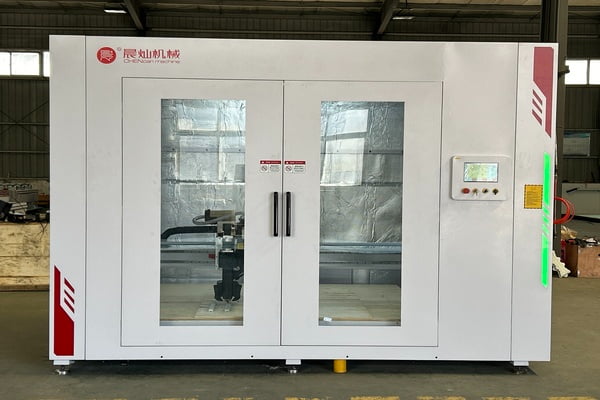
Many people ask me about the difference between standard printing and this industrial beast. I have spent years in the manufacturing industry, and I see companies waste money on inefficient methods every day. Let me explain exactly how this technology changes the game for heavy industry and why we at CHENcan CNC decided to integrate it into our solutions.
LOOP START
What Is Pellet 3D Printing and How Pellet Printers Work?
Confusion often surrounds how these massive machines actually function compared to desktop printers. If you do not understand the mechanics, you cannot optimize your production line or predict maintenance needs.
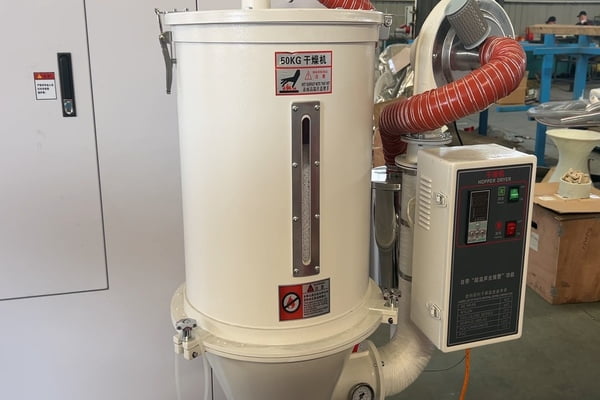
Pellet printers operate by feeding plastic granules into a heated barrel using a rotating screw. As the screw turns, it creates pressure and friction, melting the plastic before pushing it through a large nozzle. This process allows for continuous, high-volume material flow unlike thin filaments.
The Mechanics of the Screw System
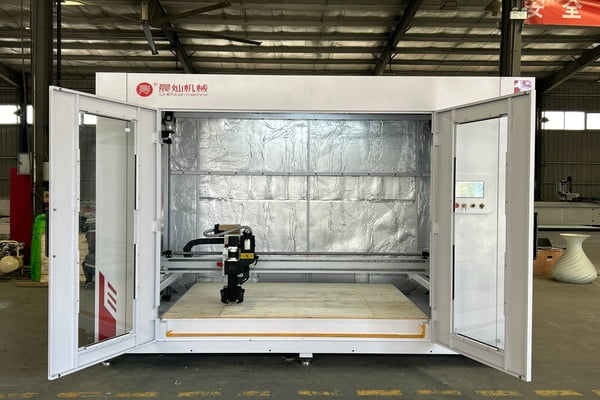
At CHENcan, we utilize a specific technology called Fused Granular Fabrication1 (FDM). This is different from the FDM or FFF printers you might have on a desktop. The core of our system is the extruder. We use a powerful rotating screw inside a heating chamber. You pour raw pellets into a hopper. These are the same pellets that injection molding factories use. Gravity pulls them into the screw.
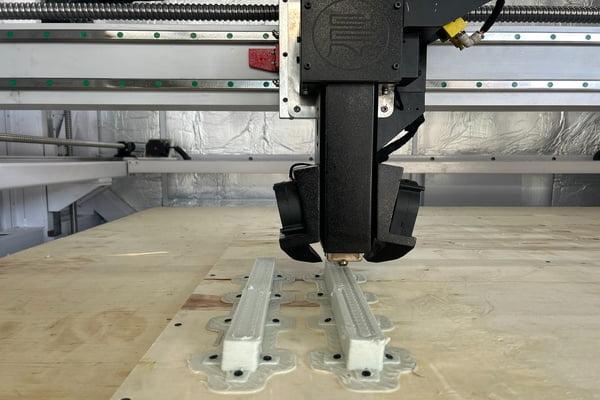
As the screw spins, it pushes the pellets forward. The heater melts them, but the friction from the screw also generates heat. This melts the plastic very efficiently. The molten plastic is then pushed out of a large nozzle. Our nozzles are much wider than standard ones. This allows us to lay down thick beads of plastic.
Why the System Design Matters
We have integrated our years of CNC experience into this design. Our self-developed printing system ensures that the flow is constant. In traditional printing, if the filament creates a knot, the print fails. With pellets, you just keep adding material to the hopper. It is a continuous process.
Here is a simple breakdown of the process flow:
| Stage | Action | Result |
|---|---|---|
| Feeding | Pellets enter the hopper | Raw material supply |
| Melting | Screw rotates in heated barrel | Plastic turns to liquid state |
| Extrusion | Nozzle deposits material | Layer formation |
| Cooling | Fans blow on the bead | Part solidifies |
I must be honest with you. The surface of these prints is not smooth like a small toy. The layers are visible. We call this a "near-net shape." This means the part is close to the final size, but it usually requires post-processing. This is where our CNC machines come in to mill the surface for a perfect finish.
LOOP END
LOOP START
Why Filament 3D Printing Fails at Large-Scale Production?
Have you ever tried to print a chair or a car bumper with a standard filament printer? The cost of spools is astronomical, and the print time takes weeks. This inefficiency destroys profit margins.
Filament printing fails at scale because the material is pre-processed and expensive, and the extrusion rate is limited by the thin wire diameter. For large objects, the risk of print failure increases with time, and the material cost per kilogram is often five to ten times higher than raw pellets.
The Cost Barrier
In my experience working with clients worldwide, cost is the first complaint about large 3D printing. Filament manufacturing adds an extra step. Someone has to melt pellets, pull them into a wire, cool them, and wind them onto a spool. You pay for that processing. When you buy raw pellets, you skip that cost. For a project using 100kg of material, the savings are massive.
The Time Constraint
Filament printers use a small gear to push a thin wire. There is a physical limit to how fast you can push that wire before it strips or creates a clog. This limits your output. If you need to print a mold for a boat hull, a filament printer might take two weeks. A pellet printer can do it in two days. In manufacturing, time is money.
Structural Integrity Issues
When you print large parts with filament, you have thousands of tiny layers. Each layer is a weak point. If the print takes too long, the previous layer cools down too much. The new layer does not stick well. This causes the part to crack or delaminate. Pellet printers extrude a large, hot bead of plastic. This carries more heat energy. It melts into the previous layer much better. This results in a stronger, more unified part.
Limited Spool Size
A standard spool is 1kg. A large spool is 5kg. If you print a 50kg part, you have to change the spool ten times. Every change is a risk. You might introduce dust, or the sensor might fail. With pellets, we use large hoppers. You can even have an automatic feeding system that sucks pellets from a huge container. This allows for true 24/7 production without human intervention.
LOOP END
LOOP START
The Real Advantages of Pellet 3D Printers: Cost, Speed, and Scale?
Businesses constantly look for ways to cut costs without losing quality. If you ignore the savings potential of raw materials, you are losing money to competitors. We need to look at the numbers.
The primary advantages are a dramatic reduction in material costs and a massive increase in print speed. Pellets are the raw form of plastic, skipping the filament manufacturing step. High-flow nozzles allow you to print meters of material per hour, enabling the production of furniture-sized parts in a single day.
Significant Cost Reduction
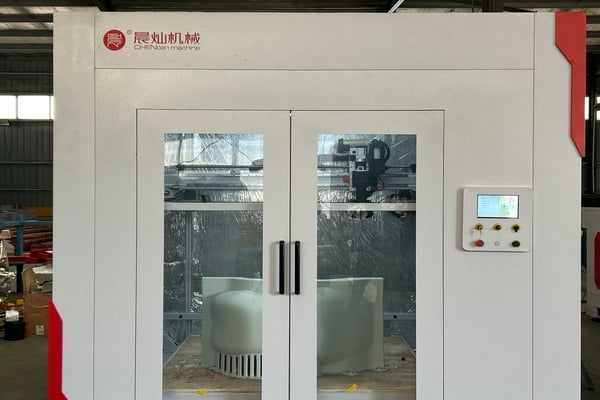
I mentioned cost before, but let us look deeper. In many markets, pellets cost 10% to 20% of the price of filament. If you are a hobbyist printing a small figure, this does not matter. If you are an automotive company printing a full-size mockup, this saves thousands of dollars per print. This low cost allows you to iterate. You can print a design, test it, throw it away, and print a new one without blowing your budget.
Unmatched Speed
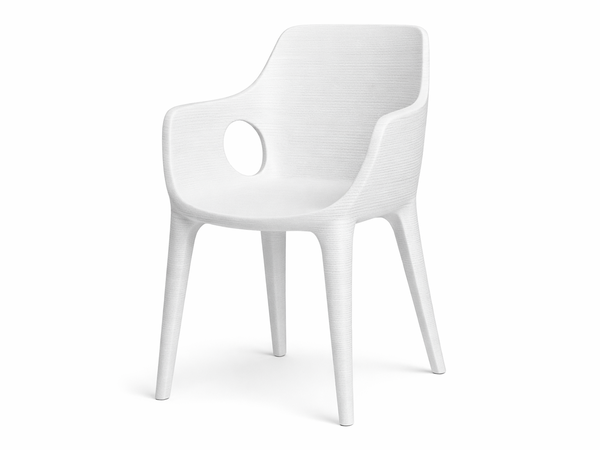
Our CHENcan pellet printers use large nozzles. We typically use nozzle diameters from 2mm up to 8mm or more. Compare this to the standard 0.4mm nozzle on a desktop printer. The throughput is incredible. We measure speed in kilograms per hour, not grams. This speed allows us to serve industries like construction and furniture. You can print a full-size chair in a few hours.
Massive Build Volume
Because the flow rate is high, we can build big machines. A slow printer cannot be big because the print would take too long. Our machines are designed for scale. We build gantry systems that are meters long. This is perfect for:
- Car bumpers
- Dashboard prototypes
- Statues and art installations
- Concrete casting molds
Material Availability
You are not locked into one vendor's filament ecosystem. Pellets are a global standard. You can buy ABS, PLA, or PETG pellets from any chemical supplier. This gives you supply chain security. If one supplier runs out, you find another. You do not need to worry if they have the right spool size or diameter.
| Feature | Filament Printer | Pellet Printer |
|---|---|---|
| Material Cost | High ($20-$50/kg) | Low ($2-$10/kg) |
| Print Speed | Slow (grams/hour) | Fast (kg/hour) |
| Nozzle Size | Small (0.4mm - 1.0mm) | Large (2.0mm - 10.0mm) |
| Max Part Size | Limited (usually <1m) | Massive (>3m possible) |
LOOP END
LOOP START
Typical Applications of Pellet 3D Printers in Art, Architecture, and Industry?
Many manufacturers struggle to see where this technology fits into their current workflow. You might think it is only for prototypes, but it is much more. Let's look at real-world use cases.
Pellet printers are widely used for manufacturing large-scale molds, furniture, architectural elements, and automotive prototypes. They are perfect for applications where internal structure and size matter more than immediate surface finish4, such as composite tooling, concrete casting forms, and artistic sculptures.
Automotive and Aerospace Tooling
We work with many clients in the automotive sector. They do not use these printers for the final car engine. They use them for tooling. For example, they print a large jig to hold a car door while it is being painted. They also print molds for carbon fiber layups. The pellet printer creates the basic shape quickly. Then, a CNC machine mills the surface smooth. This is much faster than machining the whole tool from a solid block of aluminum or epoxy.
Furniture and Design
Designers love pellet printing. The layer lines create a unique texture. We see many companies printing chairs, tables, and lamps. The process allows for complex curves that are impossible with wood. Because the material is cheap, they can experiment with wild designs. Usually, these prints are single-color. The plastic comes in one color. If you want a rainbow, you have to mix pellets, which is hard to control. But for industrial design, single color is standard.
Architecture and Construction
Architects use our machines to print concrete molds. Imagine you need a concrete column with a twisted shape. Building a wooden mold for that is very hard. Printing a plastic mold is easy. You pour the concrete in, let it set, and break the plastic away. This gives architects total freedom. We also see usage in landscape design, printing large plant pots and outdoor benches.
Sculpture and Art
Artists need scale. A small statue does not have the same impact as a 3-meter tall figure. Bronze casting is expensive. Pellet printing allows artists to make huge sculptures for a fraction of the price. They can sand the surface and paint it to look like metal or stone. The speed allows them to finish projects before a gallery opening.
LOOP END
LOOP START
Materials Used in Pellet 3D Printing: Thermoplastics and Composites?
Finding the right material for a job is often the hardest part of engineering. Using the wrong plastic can lead to part failure and wasted time. You need to know your options.
Pellet printing supports a vast range of thermoplastics like PLA, ABS, PETG, and specialized composites. Because the extruder uses a screw, it can handle materials reinforced with carbon fiber or glass fiber, which are often too abrasive or brittle for standard filament extrusion nozzles.
Standard Thermoplastics
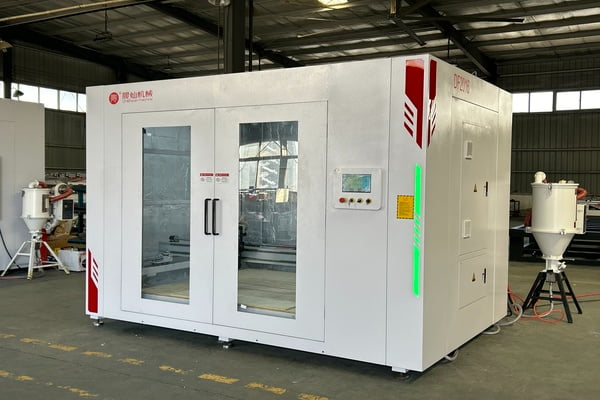
The most common material we use is PLA. It is easy to print and does not warp much. It is great for art and basic prototypes. For functional parts, we use ABS or PETG. These materials withstand heat and impact better. Since we have a heated chamber and a large heated bed, we can control the cooling of ABS better than open printers, reducing warping.
Composite Materials
This is where the screw extruder shines. We can mix chopped carbon fiber or glass fiber into the pellets.
- Carbon Fiber Reinforced: This makes the part very stiff and light. It is perfect for jigs and fixtures.
- Glass Fiber Reinforced: This adds strength and durability.
- Wood Filled: This looks and feels like wood.
Filament printers struggle with these. The fibers clog the small nozzles. The abrasive fibers wear out the drive gears. Our steel screw and large nozzle handle these abrasive materials easily.
Recycled Materials
Sustainability is a big topic now. Pellet printers can use recycled plastic. You can take old prints, shred them into granules, and put them back in the hopper. You can also use recycled ocean plastic or industrial waste. This is very attractive for companies with "green" goals. It lowers the material cost to almost zero if you have a shredder.
Material Considerations
I want to remind you about the color. When you buy a bag of industrial pellets, it is usually one color. White, black, or natural. You do not get the shiny silk colors you see in hobby filament. This is industrial material. It is meant to be painted or used for structure. The focus is on performance, not just looks.
LOOP END
LOOP START
Pellet Extrusion vs Filament Extrusion: A Practical Comparison?
Choosing between these two technologies can be confusing for a production manager. Making the wrong choice means investing in equipment that doesn't fit your needs. We must compare them side-by-side.
Pellet extrusion (FGF) is superior for large, fast, and cost-effective parts, while filament extrusion (FDM) is better for small, detailed, and smooth items. If you need a 2-meter mold, use pellets; if you need a detailed 10-centimeter bracket, use filament.
Surface Quality and Detail
This is the biggest trade-off. Filament printers can make very detailed parts. You can print a small gear with teeth. Pellet printers cannot do that. The nozzle is too big. The "resolution" is lower. The surface of a pellet print is rougher. You will see the layers. If you need a mirror finish, you must use our CNC machining services after printing. We often promote a hybrid approach: Print slightly larger than needed (near-net shape), then mill it down to the exact tolerance.
Production Volume and Speed
If you need to make 500 small brackets, a bank of filament printers might be better. If you need to make 5 huge boat molds, the pellet printer is the only choice. The pellet printer eats material fast. It is designed for volume. It is heavy machinery. It is not a desktop gadget.
Machine Size and Infrastructure
Filament printers can sit on a desk. Our pellet printers are large industrial machines. They look like our CNC routers. They need proper power, space, and ventilation. They are built for a factory floor, not an office.
The Verdict
I always tell my clients to look at their product size.
- Small (<30cm), High Detail: Stick with Filament.
- Large (>50cm), Structural, Cost-Sensitive: Go with Pellet.
At CHENcan, we specialize in the large scale. We combine the printing with our 5-axis machining centers to give you the best of both worlds: the speed of printing and the precision of milling.
LOOP END
Conclusion
Pellet 3D printing revolutionizes large-scale manufacturing by reducing costs and increasing speed through raw material usage. While it lacks fine detail, it excels in industrial applications when paired with CNC post-processing.
Learn about Fused Granular Fabrication and how it revolutionizes additive manufacturing. ↩
Understand the fundamentals of additive manufacturing and its applications in various industries. ↩
Discover how thermoplastic granules are utilized in modern 3D printing technologies. ↩
Understand techniques for improving surface finish in 3D printed parts. ↩