
How Are Pellet 3D Printers Revolutionizing Large-Scale Manufacturing Beyond Filament?
leading paragraph: You struggle with high costs and slow speeds when printing big parts. Filament is too expensive for large molds. You need a better industrial solution to stay competitive.
snippet paragraph: A pellet 3D printer1 uses raw plastic granules2 instead of filament, allowing for massive extrusion rates (8-40kg/hr) and huge build volumes. This significantly cuts material costs and printing time, making it ideal for industrial molds3, outdoor sculptures, and large-scale prototyping.
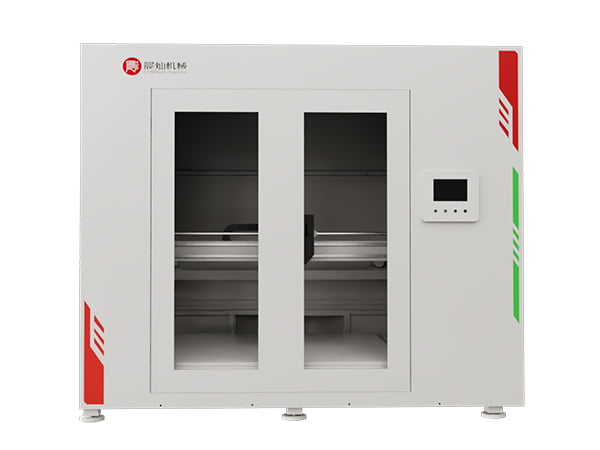
Transition Paragraph: I have seen many clients switch technologies. They stop using filament for big jobs because the math does not work. Let me explain why this machine changes everything for industrial production and how it can help your business grow.
LOOP START
What Is a Pellet 3D Printer and How Does It Work?
leading paragraph: You might know standard 3D printing. But industrial machines work differently. Understanding the mechanics is the first step to saving money and improving your production line.
snippet paragraph: These printers feed raw plastic pellets into a hopper. A screw mechanism melts and pushes the material through a large nozzle. The machine moves on a gantry system to build layers, offering high-speed extrusion unlike standard filament printers.
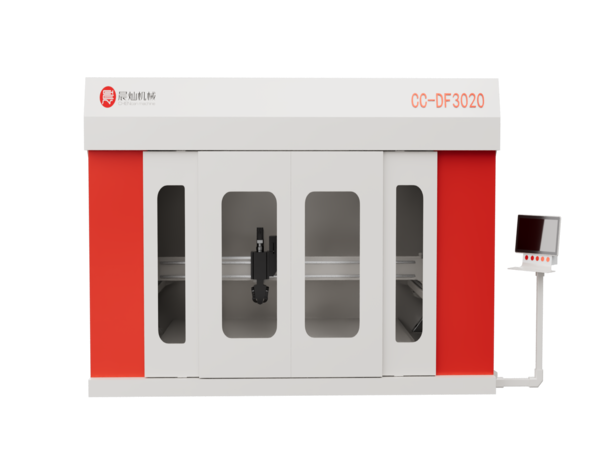
Dive deeper Paragraph: In my experience at CHENcan CNC, the biggest difference between this and a normal printer is the feed system. Normal printers pull a thin wire called filament. Our pellet printers use a hopper and a screw. This is very similar to an injection molding machine, but it is mounted on a moving gantry. The nozzle is much bigger than what you see on a desktop machine. This allows for an extrusion rate from 8kg to 40kg per hour. That is very fast.
The machine size is also completely different. The minimum size we build is 1.6 meters by 2 meters by 1 meter. The maximum size has no limit. We can build it as big as your factory allows. The process works by melting the pellets in a heated barrel. The screw pushes the molten plastic out. It lays down thick beads of plastic. This structure is strong. It is built for heavy industry, not for small desktop hobbies. This fundamental change in mechanics allows you to tackle projects that were previously impossible with 3D printing.
| Feature | Standard Filament Printer | Pellet 3D Printer |
|---|---|---|
| Feed Stock | Plastic Wire (Filament) | Raw Granules (Pellets) |
| Extrusion Rate | Grams per hour | 8kg - 40kg per hour |
| Build Size | Usually small (Desktop) | Massive (Industrial) |
| Mechanism | Gear drive | Screw extrusion |
LOOP END
LOOP START
Why Is Pellet 3D Printing Replacing Filament for Large-Scale Parts?
leading paragraph: Filament costs add up quickly. You cannot afford to waste money on spools for massive objects. The industry is moving to pellets to solve this specific budget problem.
snippet paragraph: Pellets are the raw form of plastic, costing significantly less than processed filament. For large parts like car molds or sculptures, the savings are massive. Additionally, the print speed is much faster, reducing production time from weeks to days.
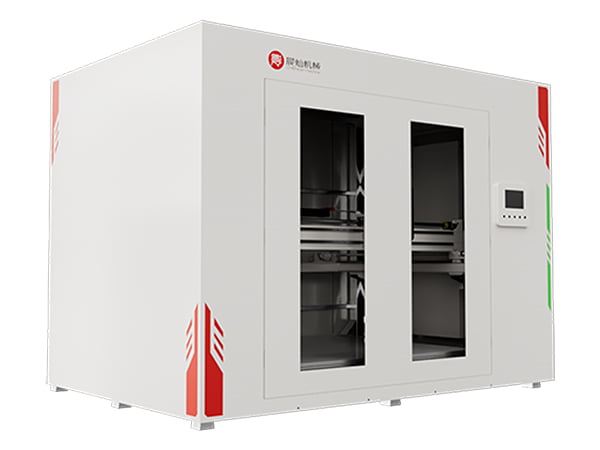
Dive deeper Paragraph: I often tell my clients about the supply chain to explain the cost. Filament is actually just pellets that were melted, pulled into a wire, and cooled down. You pay extra for that processing and spooling. When you buy pellets, you buy the raw material directly from the source. The cost difference is huge. For a 100kg mold, using filament is too expensive. Pellets are cheap commodity plastics.
Also, filament printers have a physical limit on flow. They can only push so much plastic through a tiny nozzle before the motor skips. Pellet extruders do not have this limit. They push huge amounts of material with high torque. This is crucial for big parts. If you print a boat hull or a big mold, you cannot wait two months for it to finish. With pellets, you finish in a few days. This speed combined with low material cost is why factories are switching.
LOOP END
LOOP START
How Do Pellet and Filament 3D Printing Compare in Cost, Speed, and Materials?
leading paragraph: You need to see the numbers. Vague promises do not help your budget. Let us look at the specific differences between these two methods to help you decide.
snippet paragraph: Pellet printing is 5 to 10 times faster and raw materials cost up to 10 times less than filament. While filament offers finer detail for small items, pellets dominate in speed and economy for objects larger than one meter.
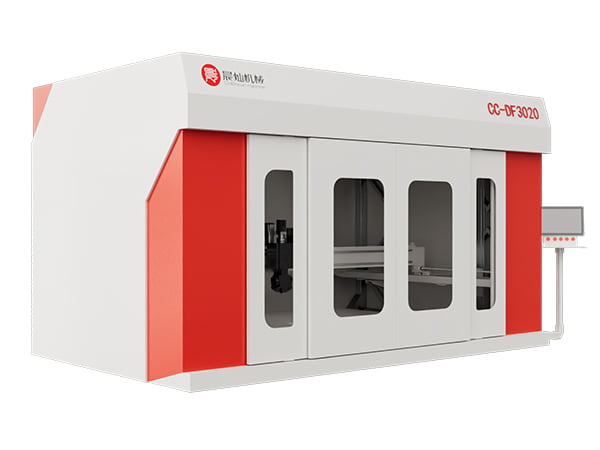
Dive deeper Paragraph: Let us break down the math clearly. Standard filament is expensive per kilogram. Pellets are cheap. In my factory, I see the difference daily. If you print a small toy, filament is fine because you use very little material. But for a 2-meter tall statue, filament is too slow and costs thousands of dollars.
Pellet printers use big nozzles. This means lower resolution but incredibly high speed. You trade surface finish4 for time and money. The material choice is also wider with pellets. You can mix your own composites. You are not stuck with what is on a spool. You can buy a bag of plastic and dump it in. This gives you freedom. Below is a comparison of how these factors stack up in a real production environment.
| Factor | Filament (FDM) | Pellet (FGF) |
|---|---|---|
| Material Cost | High ($20-$50/kg) | Low ($2-$10/kg) |
| Print Speed | Slow | Very Fast |
| Resolution | High (0.1mm layers) | Low (1mm-5mm layers) |
| Best Use | Small, detailed parts | Large, heavy parts |
LOOP END
LOOP START
What Can You Make with a Pellet 3D Printer in the Real World?
leading paragraph: You might wonder if this fits your business. Is it just for prototypes? No, it is for heavy industrial applications that require strength and size.
snippet paragraph: Common applications include large-scale foundry molds, outdoor art sculptures, and automotive styling prototypes. It is also used for furniture and architectural forms. It is ideal for objects that need volume but will undergo post-processing.
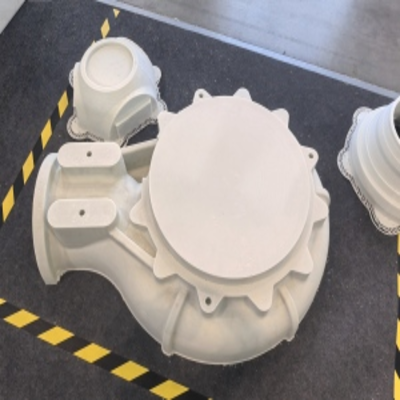
Dive deeper Paragraph: I want to be honest about what you can make with our machines. This technology is perfect for foundry patterns. You print the shape, then cast metal around it. It is also great for outdoor art sculptures. Artists love it because they can go big without gluing small pieces together. We also see it in automotive sheet metal molds. It is strong enough for that.
However, I must clarify something important. It is not for small toys. The detail is not high enough. It is also not for direct-use car parts like bumpers. You cannot print a bumper and put it on a car to drive immediately. The surface needs work. It is for the tooling and the mold, or for structural cores. It is used where size matters more than microscopic detail. If you need a full-size chair or a mold for a wind turbine blade, this is the right tool.
LOOP END
LOOP START
Which Materials Can You Use in Pellet 3D Printing?
leading paragraph: Material selection determines your success. You need strong plastics for industrial jobs. Pellet systems offer a wide variety of choices that filament cannot match.
snippet paragraph: You can use standard thermoplastics5 like ABS, PLA, PETG, and PP. More importantly, pellet systems allow for fiber-reinforced composites6 (glass or carbon fiber) which increase strength and reduce warping for large industrial parts.
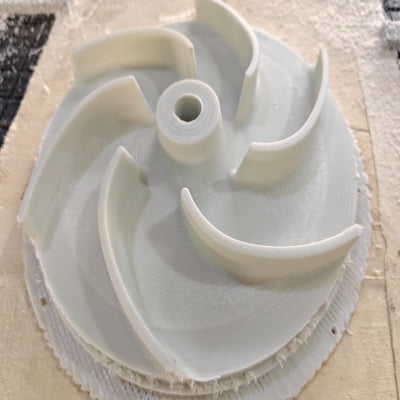
Dive deeper Paragraph: The beauty of pellets is versatility. You can buy bags of ABS or PETG from any supplier. You are not locked into one brand. At CHENcan, we test many materials. For outdoor items, ASA or PETG is good because they handle the sun well. For molds, carbon fiber filled ABS is best. It is stiff and does not shrink much.
With filament, fiber-filled materials are hard to print. They clog the small nozzle. With our large pellet extruders, the fibers flow easily. You can even mix materials. You can add color batches directly into the hopper. This gives you control over the mechanical properties. This ability to use composite materials makes the final parts strong enough for real industrial use, not just for looking at.
- ABS: Good for molds, easy to sand.
- PETG: Good for chemical resistance.
- PLA: Easy to print, good for prototypes.
- Carbon Fiber Composites: High strength, low warping.
- Glass Fiber Composites: Stiff and durable.
LOOP END
LOOP START
How Does Pellet Extrusion Enable Faster Printing and Bigger Builds?
leading paragraph: Speed is money in manufacturing. You cannot wait weeks for a single part. The physics of pellet extrusion solves this problem by melting plastic much faster.
snippet paragraph: Larger heating zones and powerful screws melt plastic faster than filament heaters. This allows for massive nozzle diameters, laying down thick layers quickly. This speed enables the construction of multi-meter structures without thermal cracking issues.
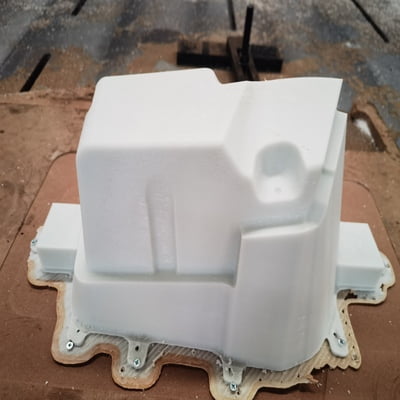
Dive deeper Paragraph: Think about a hot glue gun versus a fire hose. Filament is the glue gun. Pellet extrusion is the fire hose. The screw generates heat through friction and heaters. This melts a lot of plastic at once. Because we print fast, the layers bond well. The heat stays in the part. This allows us to build very tall items.
We have machines that are 5-axis. This means we can print complex shapes without support structures. The build volume is practically unlimited. We can extend the gantry rails. If you need a 10-meter boat, we can build a machine for that. This scalability is unique to this technology. You are not limited by a box. You can print furniture, walls, or boat hulls in one piece. This reduces assembly time and makes the final structure stronger.
LOOP END
LOOP START
What Are the Industrial Advantages of Pellet 3D Printers for Manufacturing?
leading paragraph: Why should a factory buy this? You need reliability and integration. This is not a hobby machine; it is a production tool designed for the factory floor.
snippet paragraph: These printers offer a complete supply chain solution. They reduce lead times for tooling, lower material inventory costs, and allow for rapid design iteration. They bridge the gap between prototyping and mass production.
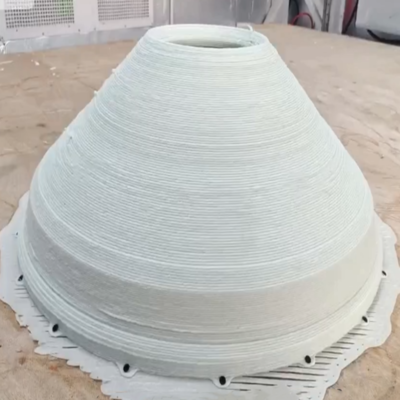
Dive deeper Paragraph: In my years at CHENcan, I see how factories change. Before, they ordered a mold and waited two months. Now, they print the pattern in two days. This is agile manufacturing. The advantage is also in waste reduction. You use exactly what you need. If a print fails, you can grind it up and re-print it. This recycling is huge for green manufacturing.
Also, these machines are heavy-duty. We build them like our CNC mills. They are stable. They run 24/7. This reliability is what industry needs. It is not just about printing; it is about keeping the production line moving. You can test a design in the morning and have a full-scale model by the evening. This speed allows you to beat your competitors to the market.
LOOP END
LOOP START
What Are the Limitations of Pellet 3D Printing and When Is It Not the Right Choice?
leading paragraph: No machine does everything perfectly. You need to know the downsides. I will be honest about where this technology struggles so you make the right choice.
snippet paragraph: Pellet printing has lower resolution, meaning visible layer lines. It is not suitable for small, detailed items like figurines or toys. Surfaces are rough and usually require CNC machining7 to achieve a smooth finish.
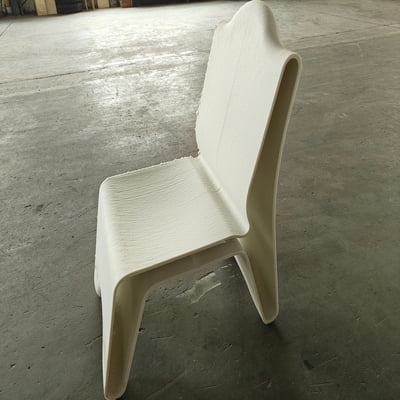
Dive deeper Paragraph: I always warn my customers about surface finish. When you print with a big nozzle, the layers are thick. It looks like a stack of ropes. The surface is not smooth. It has steps. If you need a mirror finish, you cannot just print it. You must machine it. That is why CHENcan offers hybrid solutions. We print, then we mill.
If you want to print small action figures or jewelry, do not buy this machine. It is too big and clumsy for that. Also, for direct car parts, the finish is not good enough for painting immediately. It requires sanding and putty. You must understand this workflow before buying. Generally, when used for casting molds, CNC machines are needed for surface fine milling. Otherwise, the surface is tiered and not smooth.
| Application | Recommended? | Reason |
|---|---|---|
| Large Molds | Yes | Fast, cheap, strong. |
| Small Toys | No | Poor detail, too big. |
| Car Bumpers | Maybe | Needs lots of sanding. |
| Sculptures | Yes | Great for size and shape. |
LOOP END
LOOP START
How Do You Choose the Right Pellet 3D Printer for Your Project?
leading paragraph: Investing in machinery is a big decision. You do not want to buy the wrong size or power. Here is how to select the best fit for your needs.
snippet paragraph: Consider your maximum part size, required material types, and production volume. Look for a machine with a sturdy frame, reliable screw design, and good technical support. Ensure the manufacturer offers training and software that fits your workflow.
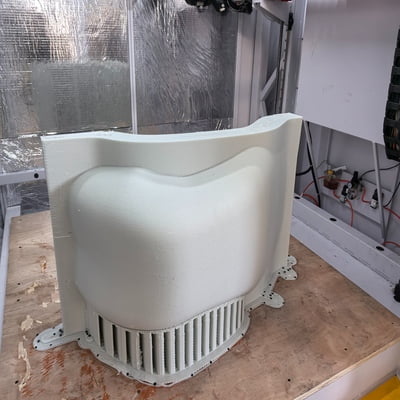
Dive deeper Paragraph: First, look at the size. Do you need 2 meters or 10 meters? At CHENcan, we customize the size to fit your space. Second, look at the extruder. Do you need 8kg/hr or 40kg/hr? If you print huge molds, you need high flow. If you print detailed furniture, maybe lower flow is better.
Third, think about the software. Is it easy to slice? Finally, look at the company. Do they offer support? We provide full training. We help you choose the parameters. A machine without support is useless. You need a partner, not just a seller. Check the frame rigidity too. A wobbly frame makes bad parts. You need a heavy, industrial base to handle the speed and weight of the printing head.
LOOP END
LOOP START
What Is the Future of Pellet 3D Printing in Industrial Manufacturing?
leading paragraph: Technology moves fast. You want to be future-proof. The trend is moving toward hybrid systems and smarter materials that solve today's problems.
snippet paragraph: The future lies in combining additive and subtractive manufacturing. Machines will print and then immediately mill the surface smooth. We will also see more sustainable, recycled materials being used in large-scale construction and automotive sectors.
Dive deeper Paragraph: I see a clear path forward. The integration of CNC and 3D printing is the key. We call this "additive and subtractive" manufacturing. You print the near-net shape. Then, the same machine changes tools and mills it perfect. This saves time and fixes the surface finish issue.
Also, material science is improving. We will see stronger plastics. We will see more recycled ocean plastics used in these machines. The software will also get better. It will predict warping and fix it before you print. The industry is moving away from small prototypes to real, functional, large structures. CHENcan is at the front of this change. We are constantly updating our screw designs and software to make this easier for you.
LOOP END
Conclusion
Pellet 3D printing offers massive cost savings and speed for large industrial parts, but it usually requires CNC post-processing to smooth out layer lines for final use.
Explore how pellet 3D printers can revolutionize your production with faster speeds and lower costs. ↩
Learn about the advantages of using raw plastic granules for cost-effective and efficient 3D printing. ↩
Find out how pellet 3D printing is transforming the production of industrial molds. ↩
Understand the limitations of surface finish in pellet 3D printing and how to address them. ↩
Discover the variety of thermoplastics available for pellet 3D printing and their applications. ↩
Learn about the strength and durability that fiber-reinforced composites bring to 3D printed parts. ↩
Find out how CNC machining can enhance the finish of parts produced by pellet 3D printing. ↩